Investing in and Maintaining Your Golf Equipment
This blog post explores the crucial aspects of investing wisely in golf equipment and establishing a robust maintenance routine to extend the lifespan and performance of your clubs, balls, and other golfing gear. We'll cover everything from choosing the right clubs to proper cleaning and storage.
Choosing the Right Golf Clubs
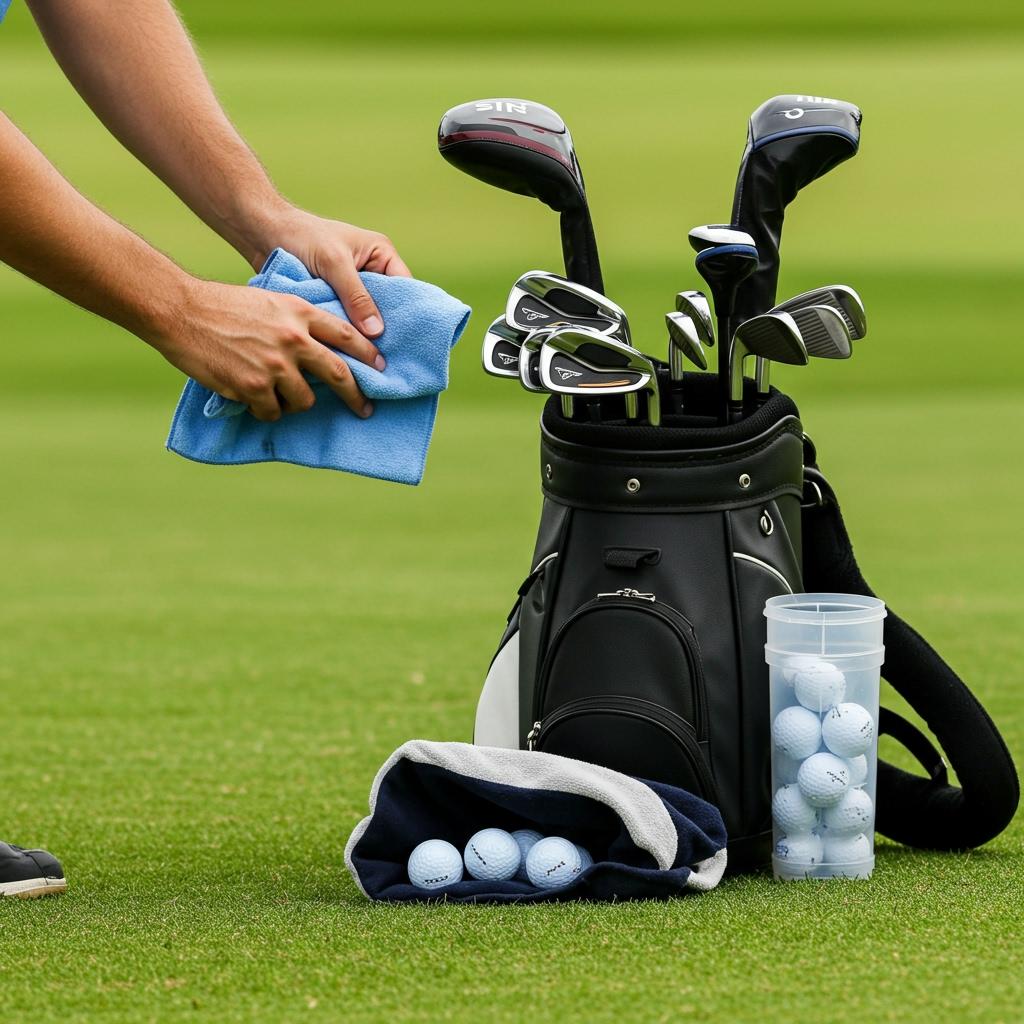
Selecting the appropriate golf clubs is paramount. Begin by assessing your skill level and playing style. A beginner might benefit from a complete set of forgiving clubs designed for ease of use and consistent contact. More experienced players might prefer individual club selection tailored to their specific needs and strengths. Consider factors like shaft flex, club length, and head design. Don't hesitate to seek professional advice from a golf fitter who can analyze your swing and recommend the optimal club specifications for improved performance. Remember, the right clubs can significantly enhance your game, making investing in quality equipment a worthwhile endeavor.
Golf Balls: More Than Just a Sphere
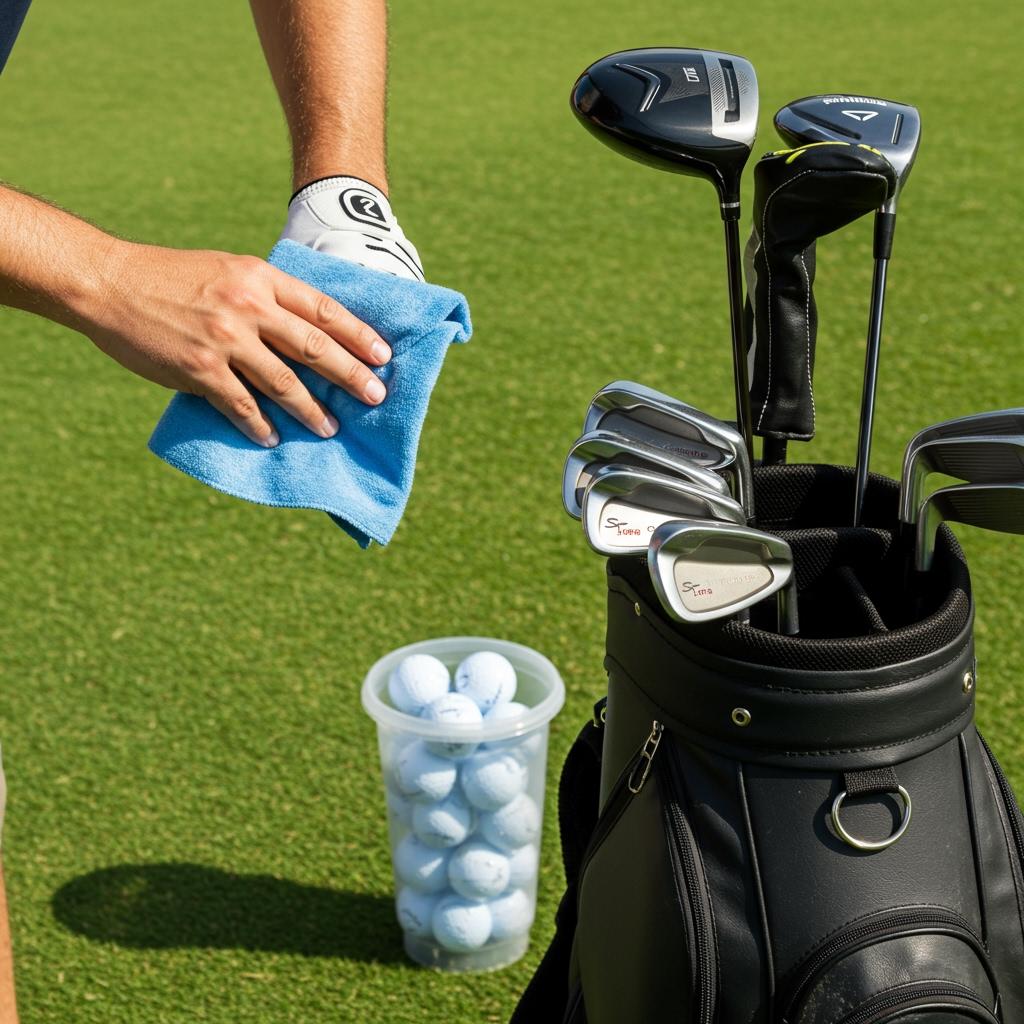
Golf balls, seemingly simple, play a crucial role in your game. Different balls offer varying levels of distance, spin, and feel. Factors such as construction (two-piece, three-piece, or multi-layer), dimple design, and core material influence performance. Choosing the right golf ball depends on your swing speed, desired trajectory, and playing conditions. Experimenting with different balls on a driving range can help you determine which one best suits your game. Also, consider the durability of your chosen golf ball. A more expensive, high-quality ball might last longer than a cheaper alternative, potentially offsetting the initial higher cost.
Maintaining Your Golf Equipment: A Proactive Approach
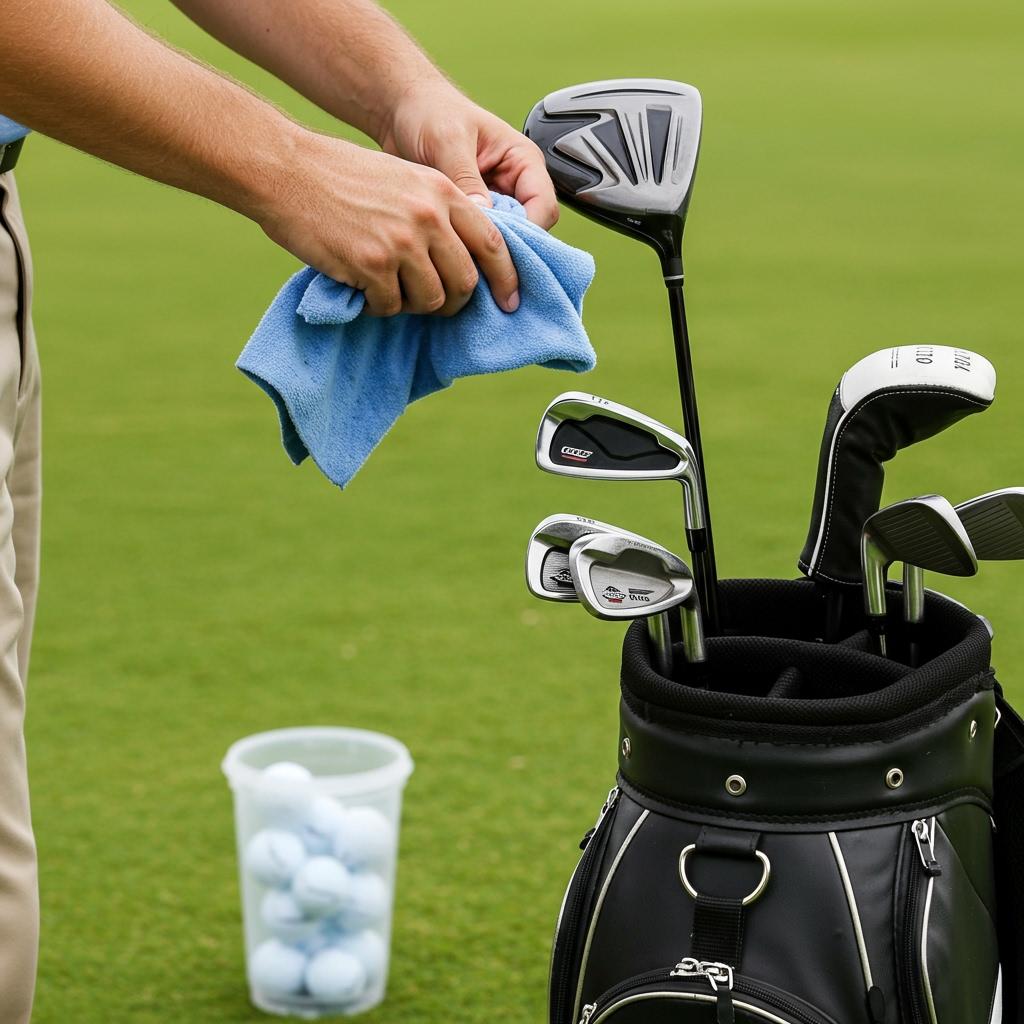
Regular maintenance is essential for optimal performance and longevity of your golf equipment. Clean your clubs after each round to remove dirt, grass, and debris that can accumulate on the clubface and grooves. Use a soft cloth and club cleaner to prevent corrosion and maintain optimal performance. Store your clubs in a dry, temperature-controlled environment to avoid damage from moisture or extreme temperatures. For golf balls, inspect them before each round for any visible damage. Repairing small nicks and cuts can extend their lifespan.
Storage and Protection
Proper storage is often overlooked but significantly impacts the lifespan of your golf equipment. A golf bag provides basic protection, but storing your clubs in a climate-controlled area, away from direct sunlight and moisture, is crucial. Consider using club covers to protect the heads from damage during transport and storage. For golf balls, store them in a cool, dry place to prevent deformation or cracking. A dedicated golf ball container can help maintain their condition and prevent loss.
Budgeting and Long-Term Investment
Investing in golf equipment can vary significantly depending on your budget and requirements. Start by setting a realistic budget and prioritizing the most essential items. Prioritize quality over quantity, focusing on durable and well-performing equipment that will last. While initially more expensive, high-quality clubs and balls often offer superior performance and longevity, reducing long-term costs. Regular maintenance is an essential part of your budget, preventing costly repairs or replacements down the line.
Conclusion
Investing in and maintaining your golf equipment is a vital aspect of improving your game and enjoying the sport. By choosing the right clubs and balls for your skill level and playing style, and by implementing a consistent maintenance routine, you can ensure your equipment performs optimally and lasts for years to come. Remember, this is an investment in your enjoyment and skill development on the course. Consider your budget, prioritize quality, and remember the importance of regular care.


댓글
댓글 쓰기