Green Fairways: How Golf Courses Are Going Green
Golf and the Environment: Playing Sustainably
Golf, a sport enjoyed by millions worldwide, often presents a paradoxical relationship with the environment. Vast expanses of manicured lawns require significant resources, raising concerns about water consumption, pesticide use, and habitat loss. However, with increasing awareness of environmental issues, the golf industry is actively seeking ways to become more sustainable. This article explores the environmental impact of golf and examines the innovative practices being implemented to promote sustainable play.
The Environmental Footprint of Golf
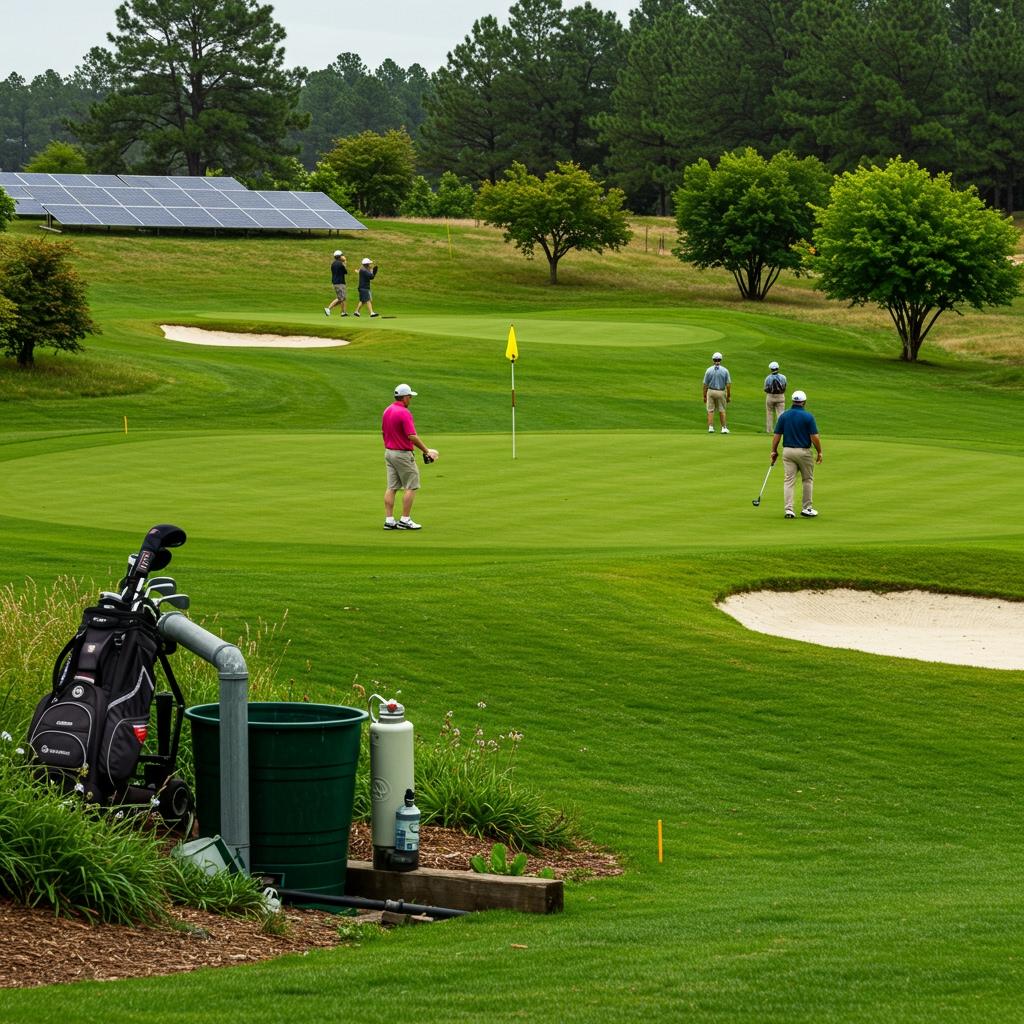
Traditional golf course management practices have historically placed a heavy burden on the environment. Large amounts of water are needed for irrigation, particularly in drier climates, contributing to water scarcity issues. The use of fertilizers and pesticides to maintain pristine greens can pollute waterways and harm beneficial insects and wildlife. Furthermore, the construction of golf courses often involves clearing natural habitats, leading to biodiversity loss. The carbon footprint associated with travel to and from golf courses, as well as the energy consumption related to course maintenance, also adds to the environmental concern.
Sustainable Golf Course Management Practices
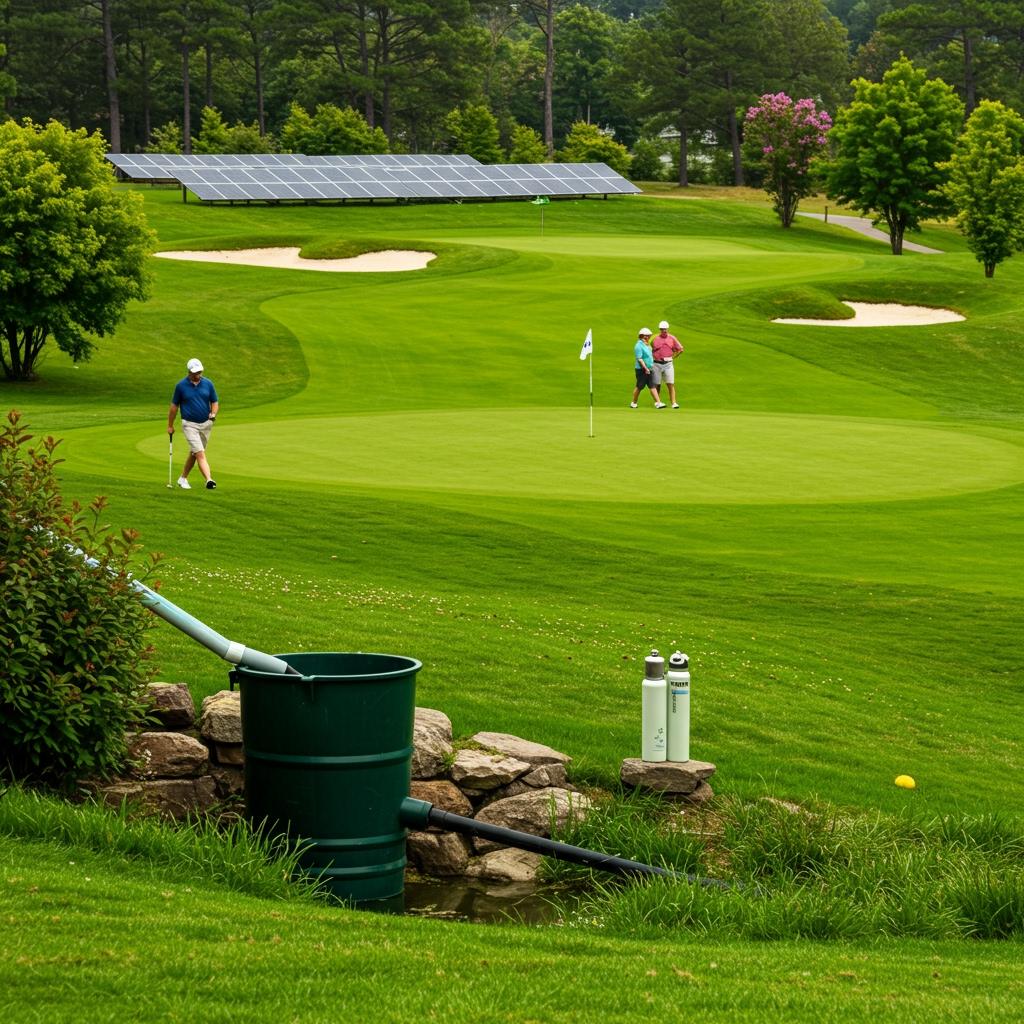
Fortunately, a growing number of golf courses are adopting sustainable practices to mitigate their environmental impact. Water conservation strategies such as efficient irrigation systems, drought-tolerant grasses, and rainwater harvesting are becoming increasingly common. Integrated pest management (IPM) reduces reliance on harmful pesticides by utilizing biological controls and other less toxic methods. The use of organic fertilizers minimizes pollution and enhances soil health. Restoring natural habitats within and around golf courses can improve biodiversity and create valuable wildlife corridors.

Reducing the Carbon Footprint of Golf
Beyond course management, golf courses are exploring ways to reduce their carbon footprint. Switching to renewable energy sources, such as solar panels, can significantly decrease energy consumption. Encouraging players to walk or cycle to the course, rather than driving, reduces transportation emissions. Promoting local sourcing of food and beverages for clubhouse operations minimizes the environmental impact of supply chains. Many courses are now participating in carbon offsetting programs to compensate for their remaining emissions.
Engaging Golfers in Sustainable Practices
Sustainable golf requires the cooperation of all stakeholders, including golfers themselves. Golf courses can educate players about environmental initiatives through signage, brochures, and educational programs. Encouraging players to make conscious choices, such as using reusable water bottles and avoiding single-use plastics, can minimize waste. Promoting responsible behavior on the course, such as avoiding unnecessary divot repair and staying on designated paths, protects the course's ecosystem. By actively engaging golfers, courses can foster a culture of environmental responsibility.
The Future of Sustainable Golf
The golf industry is evolving towards a more environmentally conscious future. While challenges remain, the increasing adoption of sustainable practices offers hope for a greener sport. Continuous innovation, collaboration between industry stakeholders, and increased awareness among golfers are vital for ensuring the long-term sustainability of golf. Embracing sustainable practices is not just about environmental responsibility; it is also about preserving the beauty and enjoyment of the game for generations to come.
Conclusion
Golf and environmental sustainability are not mutually exclusive. By adopting innovative practices and fostering a culture of responsibility, the golf industry can minimize its environmental impact while maintaining the integrity and enjoyment of the game. The future of golf hinges on a collective commitment to sustainable practices, ensuring that this beloved sport remains enjoyable for players while protecting the planet.
Keywords: Sustainable Golf, Environmental Golf, Green Golf


Comments
Post a Comment