Unveiling the Timeless Elegance of Golf: History, Etiquette, and Modern Play
The Rich History and Etiquette of Golf
Golf, a game of precision and strategy, boasts a rich history intertwined with a distinct code of etiquette. Understanding this history and adhering to the rules of etiquette enhances the enjoyment of the game for everyone involved. This article delves into the fascinating evolution of golf and the importance of maintaining its traditional standards on the course.

A Glimpse into Golf's Past
The origins of golf are debated, with some tracing its roots back centuries to various stick-and-ball games played in the Netherlands and Scotland. However, Scotland is widely recognized as the birthplace of modern golf. The Royal and Ancient Golf Club of St Andrews, founded in 1754, is considered the oldest golf club in the world and its rules significantly shaped the game's development. Early golf was played on the links, natural landscapes near the sea, which imparted the game's unique challenges and characteristics. Over time, golf evolved from a simple game played on natural courses to the highly refined and structured sport we know today, with standardized courses, equipment and rules.
The Importance of Golf Etiquette
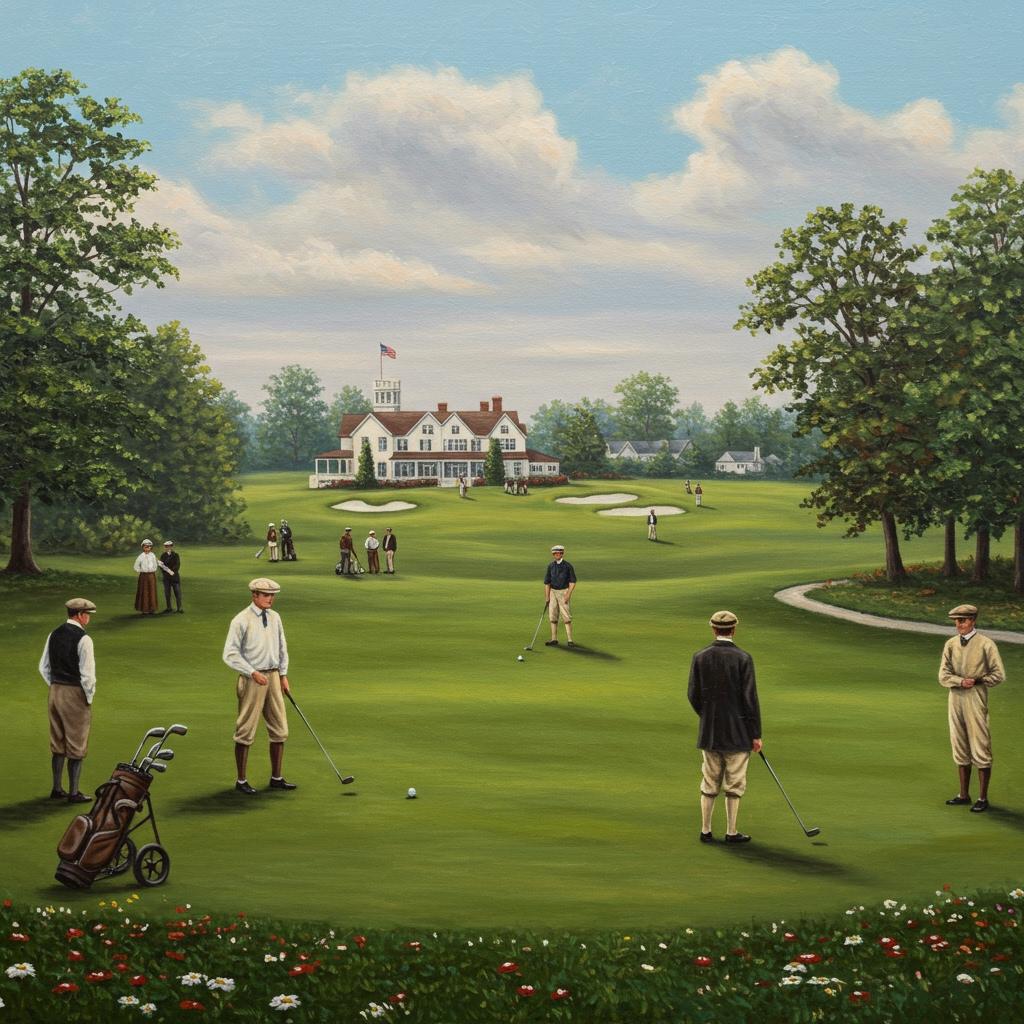
Golf etiquette is more than just politeness; it ensures a smooth and enjoyable experience for everyone on the course. It's a set of unwritten rules and customs that show respect for fellow players, the course, and the game itself. Respecting the pace of play is crucial; avoid unnecessary delays and be prepared for your shot. Repairing divots and raking bunkers are essential for maintaining the course's condition, and minimizing noise and distractions should always be a priority. These courtesies make the golfing experience more enjoyable and contribute to the game’s enduring appeal.
Key Aspects of Golf Etiquette
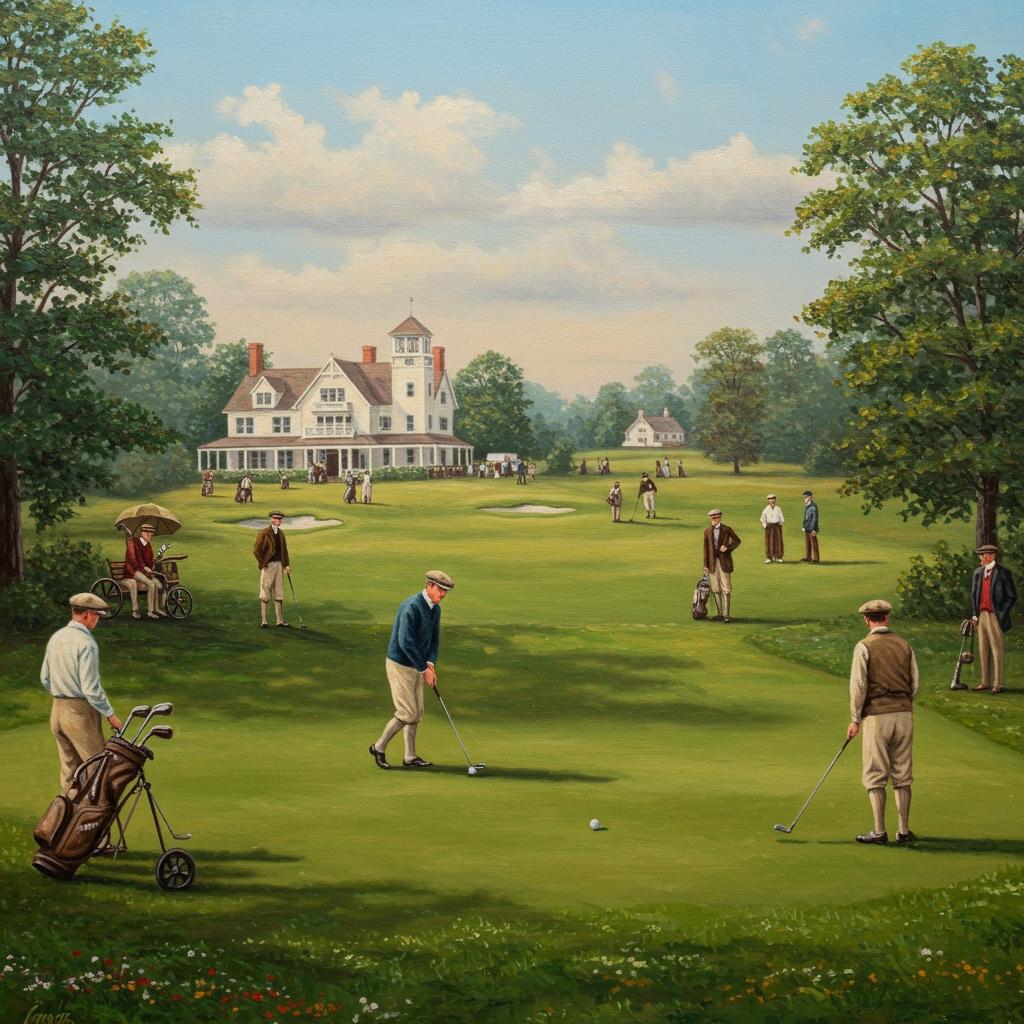
Several key aspects of golf etiquette merit specific attention. Before your shot, make sure you’re not in anyone’s line of play. Once it’s your turn, play quickly but deliberately. If your ball lands in a hazard, take your time but be mindful of others. After your shot, repair divots and rake bunkers meticulously. Finally, display sportsmanship regardless of your score; congratulate opponents and accept defeat gracefully.
Modern Interpretations of Traditional Etiquette
While golf retains its traditional elements, modern adaptations are also emerging. The use of golf carts, for instance, while offering convenience, necessitates careful adherence to rules regarding their use on fairways and greens. Mobile phone usage should be kept to a minimum and should certainly not disrupt the play of others. These modern considerations require a conscious effort to balance convenience with the principles of traditional etiquette, ensuring the game’s long-term sustainability.
Conclusion
The enduring appeal of golf lies not only in its challenging gameplay but also in its rich history and unique traditions. Respecting the game’s etiquette is vital in ensuring a positive and enjoyable experience for everyone. By understanding and practicing these principles, golfers can contribute to a continued appreciation of this classic and captivating sport. Adhering to etiquette allows players to fully appreciate the traditions and enhance their overall experience on the course. Golf's enduring legacy depends on preserving its spirit and promoting good sportsmanship.
Keywords: Golf Etiquette, Golf History, Golf Traditions


Comments
Post a Comment