Green Fairways: How Golf is Getting Greener
Golf and Nature: A Meeting of Greens
Golf, a game often associated with manicured lawns and pristine fairways, is increasingly embracing its natural surroundings. This shift towards environmentally conscious golf practices offers a harmonious blend of sport and sustainability, benefiting both the game and the planet. This article explores the growing movement toward eco-friendly golf and how golfers can contribute to a greener future on and off the course.
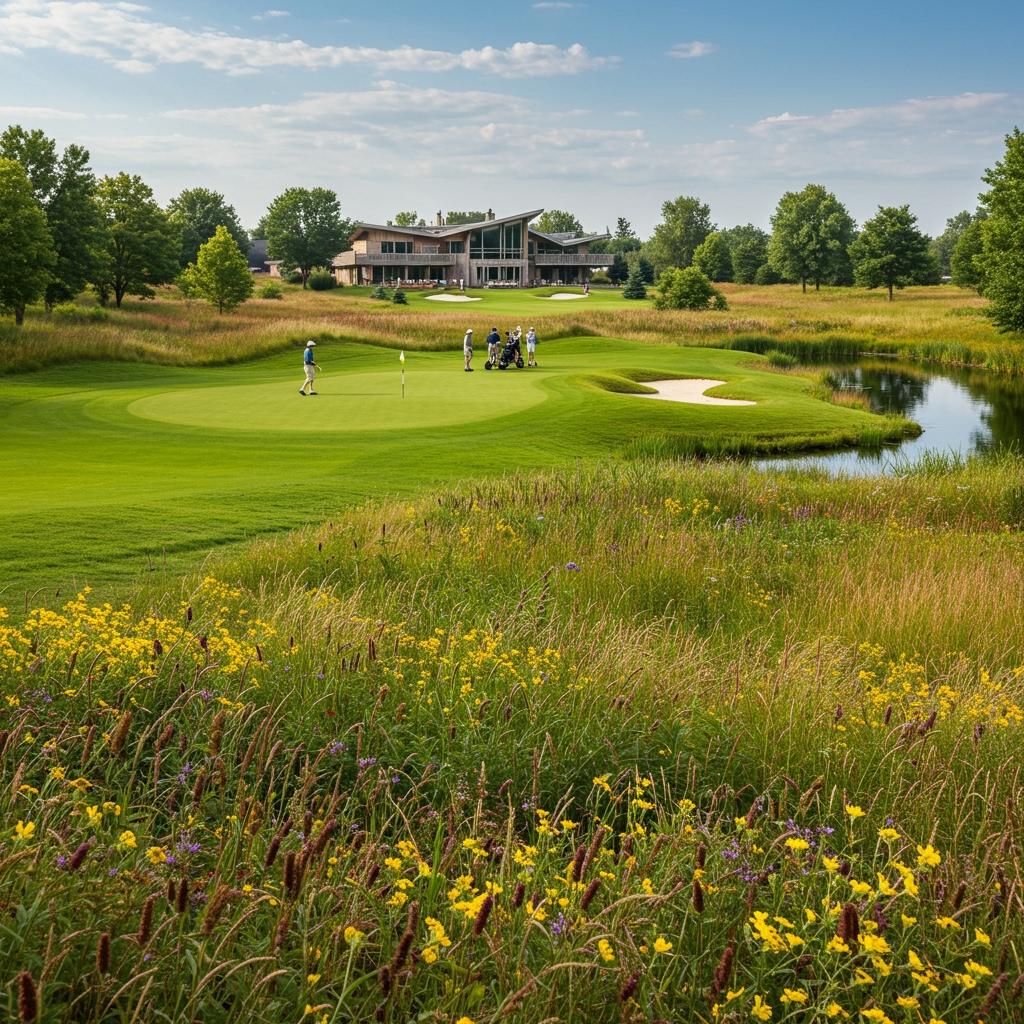
Minimizing the Environmental Footprint of Golf Courses
Traditional golf course maintenance can have a significant environmental impact. The extensive use of fertilizers, pesticides, and water poses threats to local ecosystems and water resources. However, modern golf course management is moving toward sustainable practices such as integrated pest management (IPM) which uses fewer chemicals and promotes natural pest control. Water conservation techniques, including drought-tolerant grasses and efficient irrigation systems, are also becoming more common, reducing water consumption and the strain on local water supplies. Furthermore, the use of organic fertilizers reduces pollution and improves soil health.
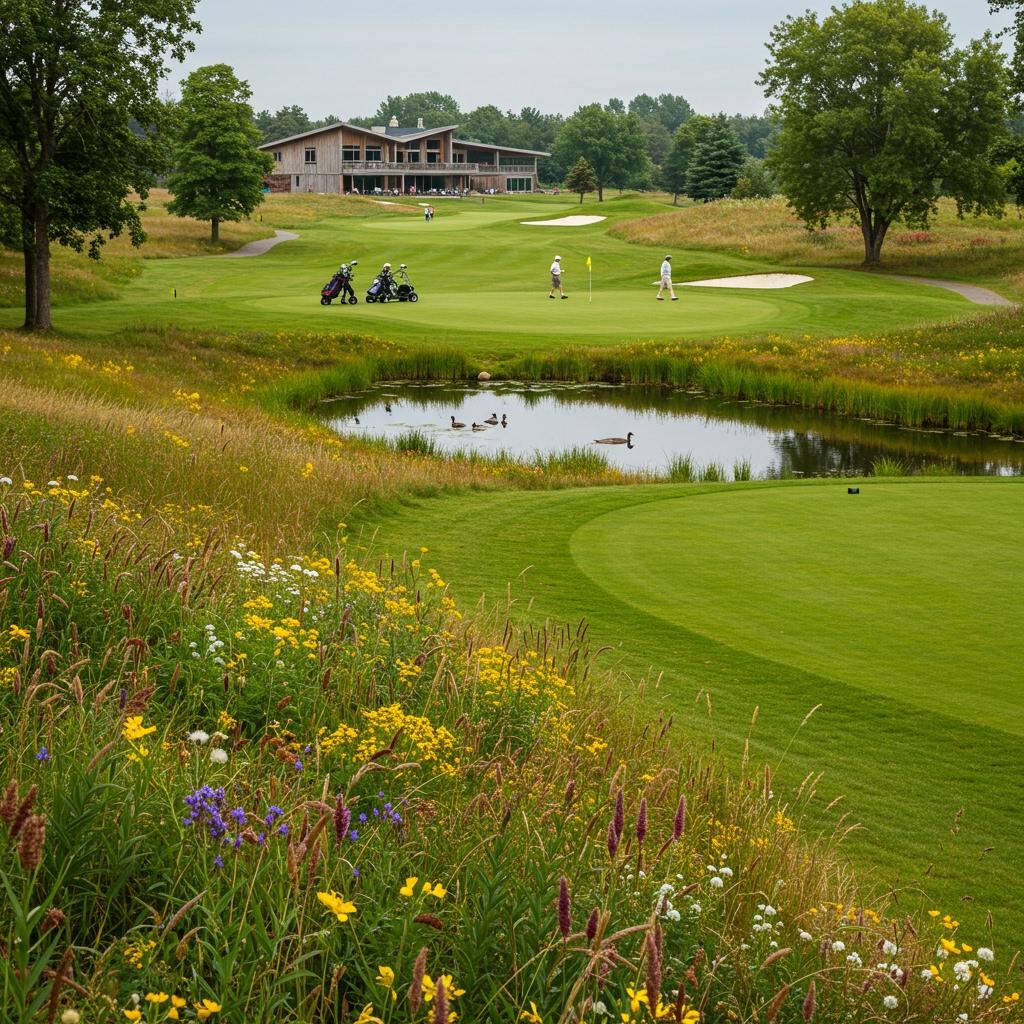
Promoting Biodiversity on the Course
Golf courses present an opportunity to create valuable habitats for wildlife. By incorporating native plants and creating diverse landscapes, courses can support local biodiversity. Reducing the use of pesticides allows beneficial insects and other wildlife to thrive. Creating habitats like ponds and wetlands can also attract a wider range of species. These initiatives transform golf courses from primarily recreational spaces into ecological havens, enriching both the playing experience and the local environment.
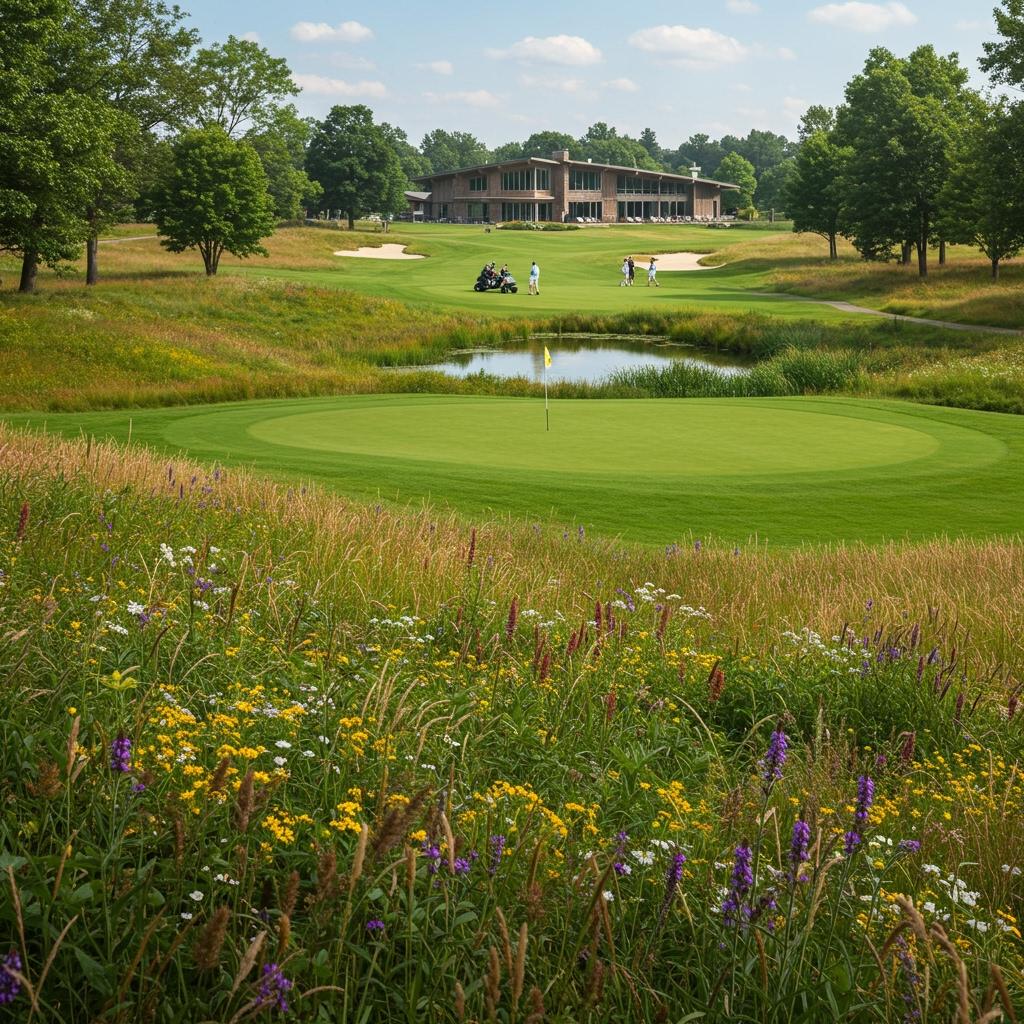
Sustainable Golf Practices for Players
Individual golfers can also play a part in making the game more sustainable. Walking the course instead of using a golf cart reduces carbon emissions and promotes physical activity. Choosing biodegradable tees and balls further minimizes environmental impact. Respecting the natural environment, avoiding disturbing wildlife and adhering to course rules regarding the preservation of natural features, plays a significant role in environmental protection. By making conscious choices, golfers can contribute to the long-term health of the game and the environment.
The Future of Eco-Friendly Golf
The movement towards sustainable golf is gaining momentum, with golf courses and organizations increasingly prioritizing environmental responsibility. Certifications like Audubon International’s Cooperative Sanctuary Program recognize and reward golf courses for their commitment to sustainability. These certifications demonstrate a growing dedication to environmentally friendly practices, encouraging others to follow suit and promoting a greener future for the game. The future of golf is intertwined with its environmental sustainability, and by embracing eco-conscious practices, the game can thrive for generations to come.
Conclusion
Golf and nature can coexist harmoniously. By adopting sustainable practices, both on the course and in individual play, the golfing community can lessen its environmental footprint and promote biodiversity. The future of golf depends on its ability to balance the competitive spirit of the game with the need for environmental stewardship. Embracing environmentally friendly golf ensures that the game remains enjoyable and sustainable for many years to come. Let's work together to create greener fairways for all.
Keywords: Eco-friendly golf, Sustainable golf, Environmental golf


Comments
Post a Comment