How Long Does a Golf Ball Last? The Ultimate Guide to Replacing Your Golf Balls
How Long Do Golf Balls Last? When Should You Replace Yours?
Choosing the right golf ball can significantly impact your game. But how long does a golf ball actually last? And more importantly, when should you replace it? This comprehensive guide will help you determine the lifespan of your golf balls and understand when it's time for a change.
Factors Affecting Golf Ball Lifespan
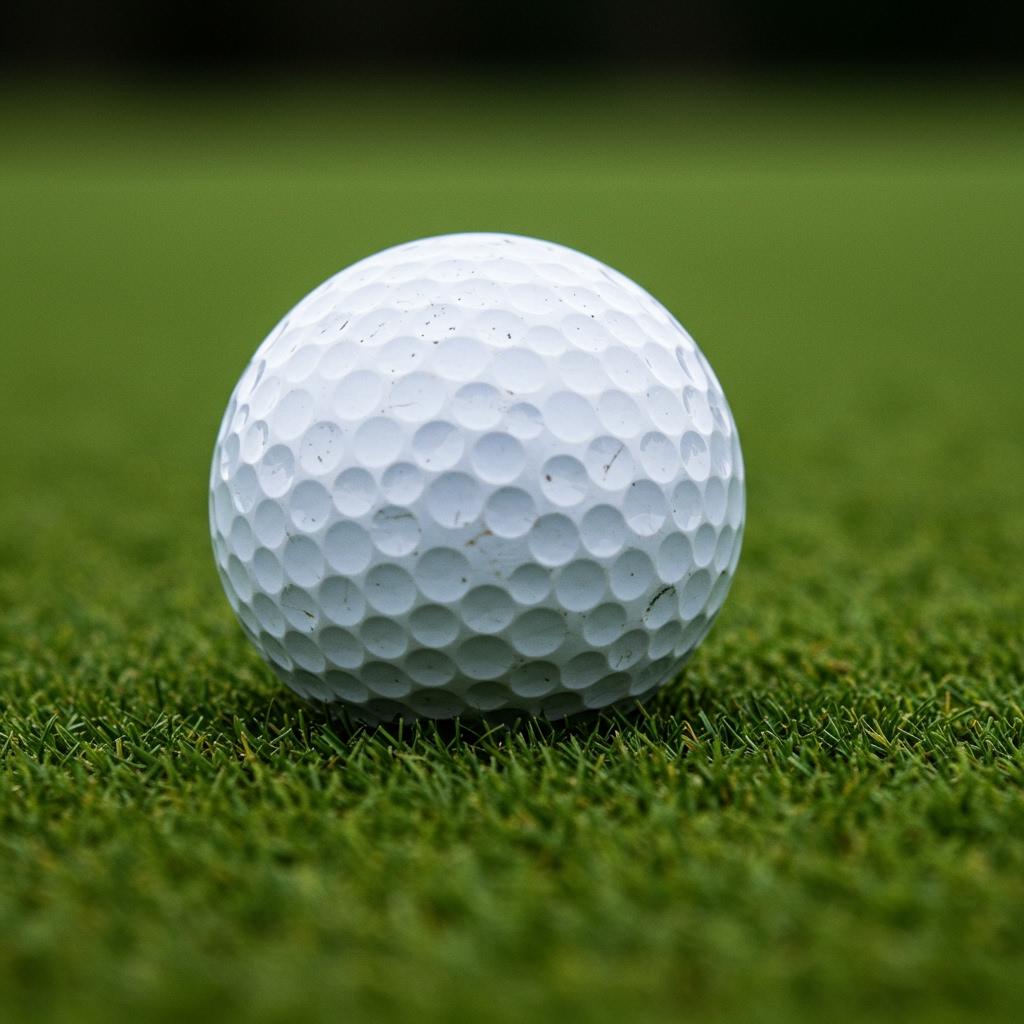
Several factors influence how long your golf balls remain playable. These include the type of golf ball (distance, spin, etc.), the playing conditions (course type, rough conditions), your swing speed and technique, and even the frequency of play. A golfer with a high swing speed might see more wear and tear on their balls than a golfer with a slower swing. Similarly, playing on a course with many trees and dense rough can lead to more scuffs and cuts on your golf balls, shortening their lifespan.
Signs Your Golf Ball Needs Replacing
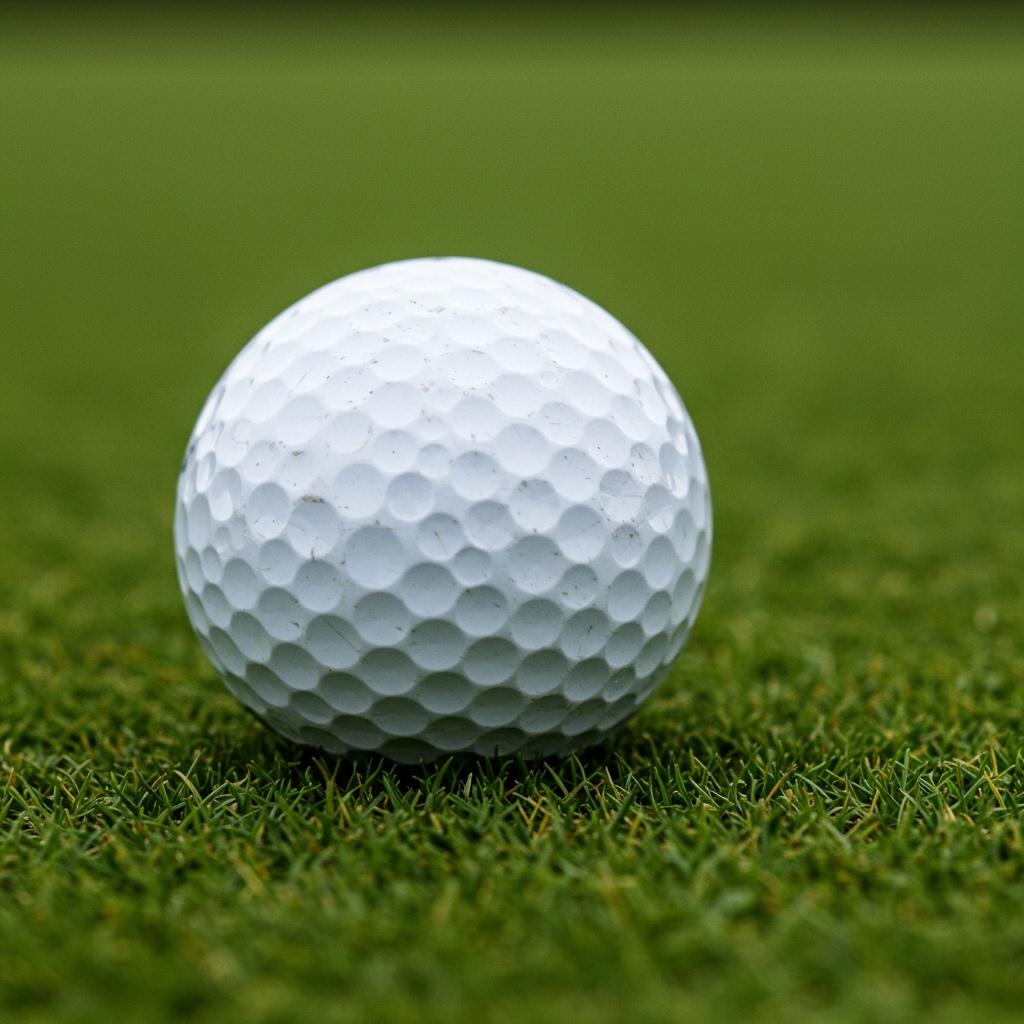
While there's no magic number of rounds before replacing a golf ball, several telltale signs indicate it's time for a new one. These include visible cuts or deep scuffs on the cover, noticeable changes in flight trajectory or distance, and a loss of spin. A dimpled golf ball relies on those dimples for its aerodynamics, and damage to them directly impacts performance. A significantly dull or worn cover can also negatively affect performance.
The Role of Golf Ball Construction
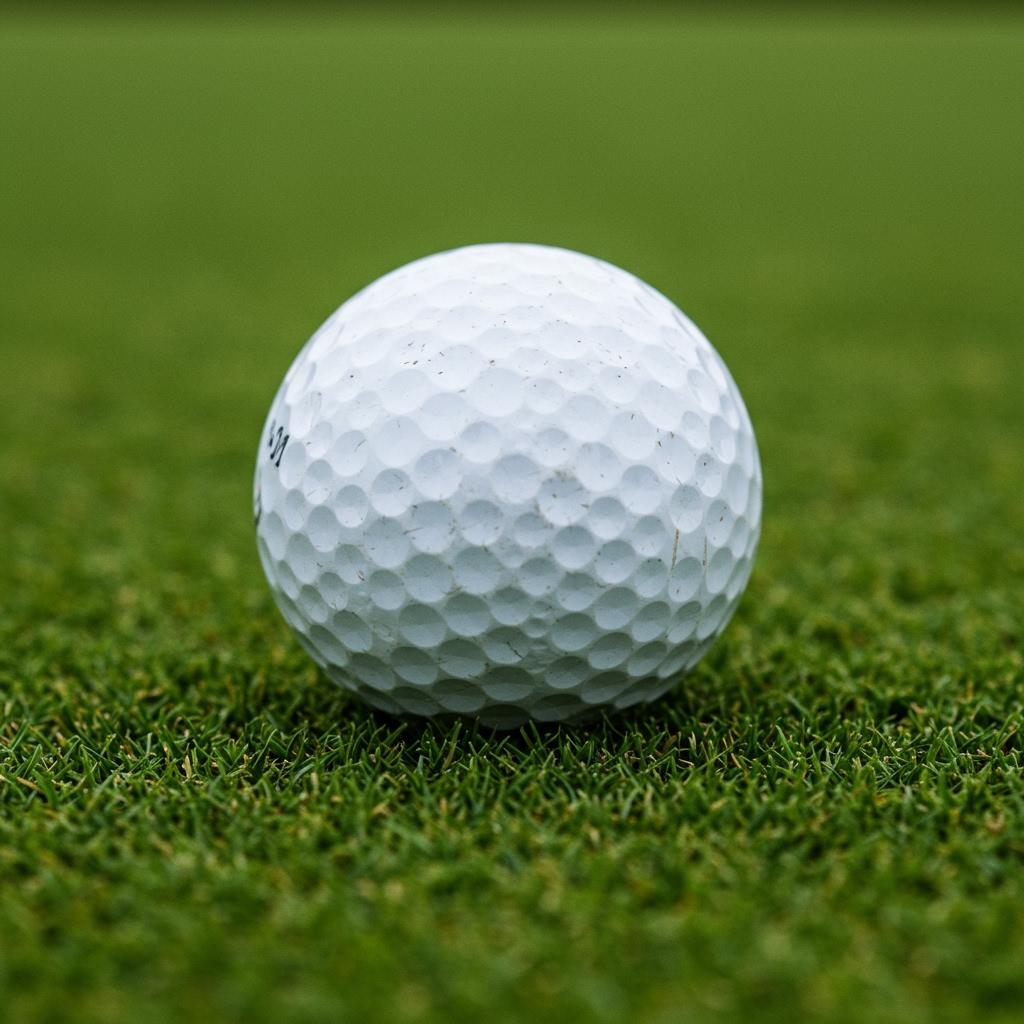
The construction of the golf ball plays a significant role in its longevity. Two-piece golf balls, typically more affordable, tend to have shorter lifespans compared to three-piece or even more complex multi-layer constructions. The outer cover material also matters; durable materials like Surlyn or ionomer will generally hold up better than softer, more premium urethane covers. However, these premium covers often provide better spin and feel, making the trade-off a crucial aspect of your golf ball selection.
How Often Should You Replace Golf Balls?
There's no single right answer to how often you should replace your golf balls. Some golfers may only need to replace them every few months, while others may need to change them more frequently. A good rule of thumb is to replace a golf ball when you notice any significant changes in its performance or if the exterior is visibly damaged. Regularly inspecting your golf balls after each round is a proactive approach to determining their condition.
Beyond Performance: Environmental Considerations
Beyond performance, consider the environmental impact of lost golf balls. Many golf balls end up as litter on courses and in waterways. Using a golf ball retriever and keeping track of your balls can contribute to a more sustainable golf practice. Furthermore, consider environmentally friendly golf ball options, including those made from more sustainable materials.
Choosing the Right Golf Ball for Your Game
Selecting the correct golf ball for your swing speed and playing style is crucial. This will not only optimize your game but can also help prolong the lifespan of your golf balls by reducing wear and tear caused by mismatched equipment. Consulting a professional at a golf store or utilizing online resources can help you make an informed decision.
Conclusion
Ultimately, the lifespan of a golf ball depends on a number of factors. Regular inspection, awareness of performance changes, and understanding the characteristics of different golf ball constructions will help you determine when it's time for a replacement. Prioritizing both performance and environmental sustainability will ensure you're getting the most out of your golf balls while also minimizing your environmental impact. Remember to choose a golf ball that suits your game for optimal performance and longevity.
Keywords: Golf Ball Lifespan, Replacing Golf Balls, Golf Ball Maintenance


Comments
Post a Comment