Mastering the Fairway & the Friendly Game: Golf Etiquette and Communication for a Smoother Round
Effective Communication on the Golf Course: Etiquette and Strategies
Golf is a game of skill, strategy, and etiquette. While mastering your swing is crucial, effective communication plays a vital role in ensuring a smooth and enjoyable round for everyone. This guide will explore key communication strategies for golfers of all levels, helping you navigate the course with grace and respect.

Before You Tee Off: Setting the Stage
Before even stepping onto the first tee, clear communication sets the tone for the round. Confirm tee times and pairings beforehand to avoid confusion. If you are playing with unfamiliar players, a brief introduction and a friendly greeting go a long way in establishing a positive atmosphere. Discussing the pace of play you're comfortable with can prevent misunderstandings later. Sharing your golfing experience level also helps set expectations and allows for adjustments in playing style and advice.
On the Course: Respectful Interactions
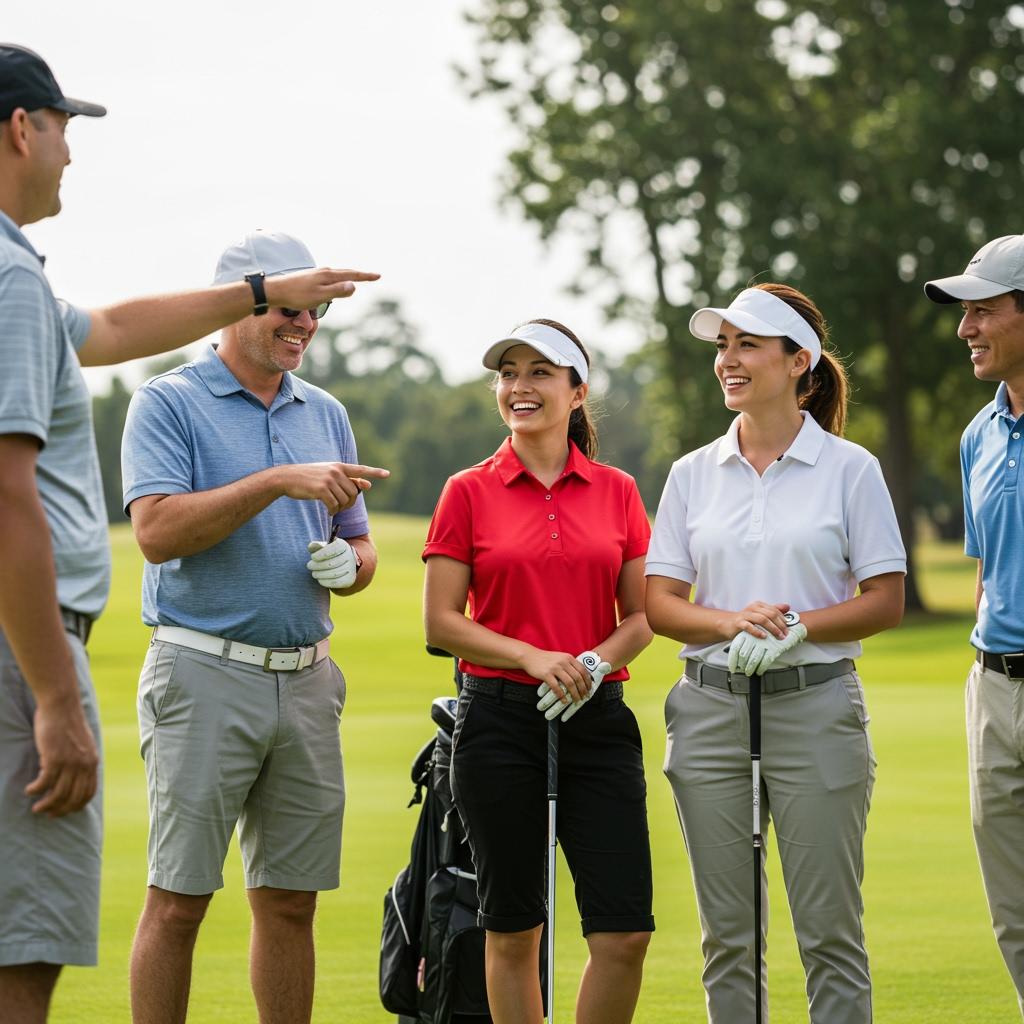
Throughout the round, maintaining respectful communication is paramount. Always wait for the group ahead to clear the green before hitting your shot. If your ball is near another player's, politely communicate your intentions before taking your swing. Avoid making unnecessary noise while others are playing. If you need to take a phone call, move away from the group to avoid disrupting their concentration. When playing with other golfers, always maintain a positive attitude, whether you make a good or bad shot.
Addressing Mistakes and Challenges
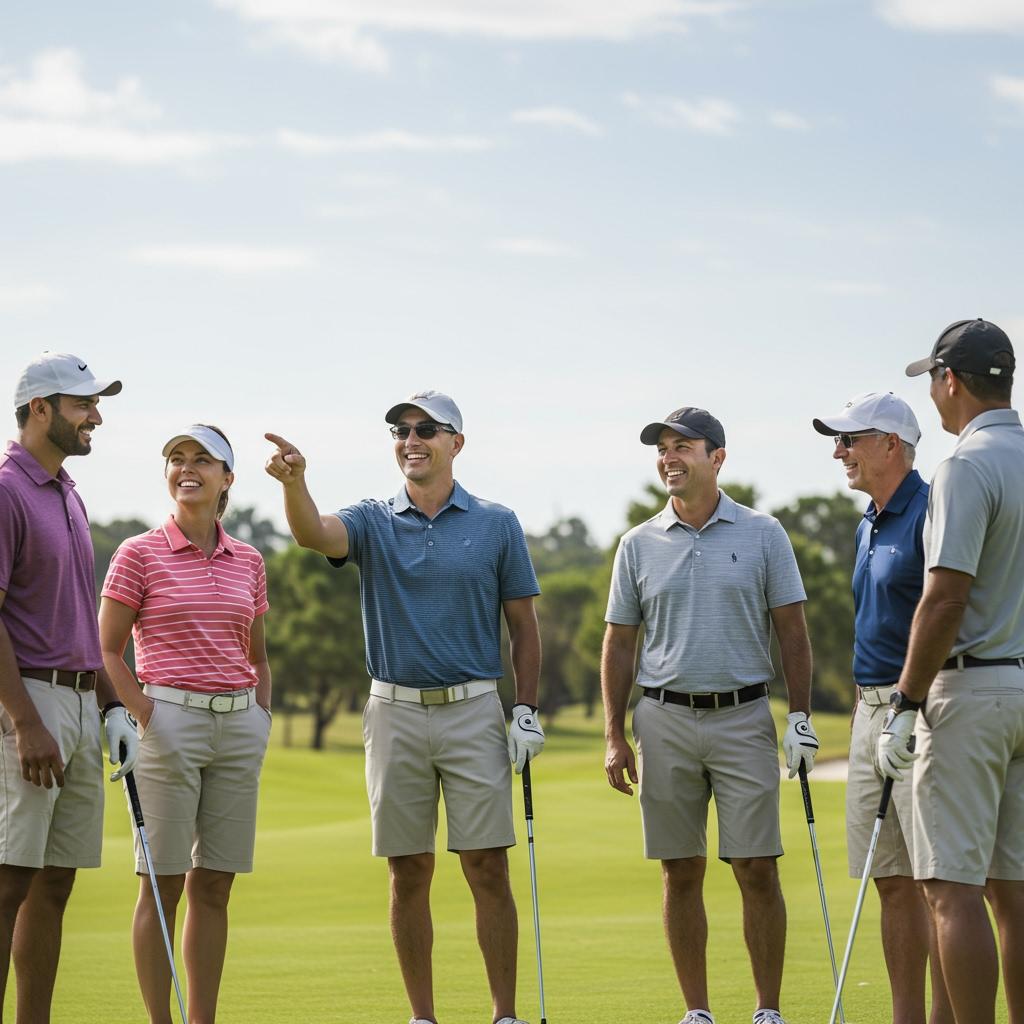
Golf inevitably involves mistakes. How you handle these situations speaks volumes about your character. Accept responsibility for your errors without dwelling on them. Avoid blaming others or making excuses. Instead, focus on learning from your mistakes and moving forward. If you witness a fellow golfer making a mistake, offer supportive words rather than critical comments. A simple "good try" or "tough break" can make a big difference. The goal is to create a supportive and encouraging environment, allowing players to focus on their game.
Pace of Play: A Crucial Consideration
Maintaining a good pace of play is essential for the enjoyment of all players. If you are playing slower than the group behind, politely let them play through. If you are consistently slow, take steps to improve your pace. This includes preparing your shot while others are playing, knowing the course layout beforehand, and limiting the time spent searching for lost balls. Communicate with your group if you feel that the pace is too slow, suggesting strategies to help everyone move forward more efficiently. Open communication can prevent frustration and maintain a harmonious environment.
Post-Round Communication: Sportsmanship and Camaraderie
After the round, a brief exchange of congratulations or commiserations is a sign of good sportsmanship. Thank your playing partners for the game. Offer constructive feedback if appropriate but do so tactfully, focusing on specific aspects of the game rather than making general or critical comments. Remember, the goal is to leave the course with a positive feeling, having strengthened your relationships with your fellow golfers.
Conclusion
Effective communication on the golf course is about more than just politeness; it's about fostering a positive and respectful environment where everyone can enjoy the game. By following these guidelines, you can significantly enhance your experience and build lasting relationships with fellow golfers. Remember that clear communication, respect for others, and a positive attitude go a long way in creating a memorable and enjoyable golfing experience.
Keywords: Golf Etiquette, Golf Communication, Golf Course Manners


Comments
Post a Comment