Outsmart Your Competition: A Guide to Winning Through Competitive Analysis
Improve Your Game: Competitive Analysis for Enhanced Performance
Competitive analysis is crucial for growth in any field. By understanding your competitors, you can identify opportunities and weaknesses, leading to strategic improvements. This guide will explore how competitive analysis can elevate your performance.
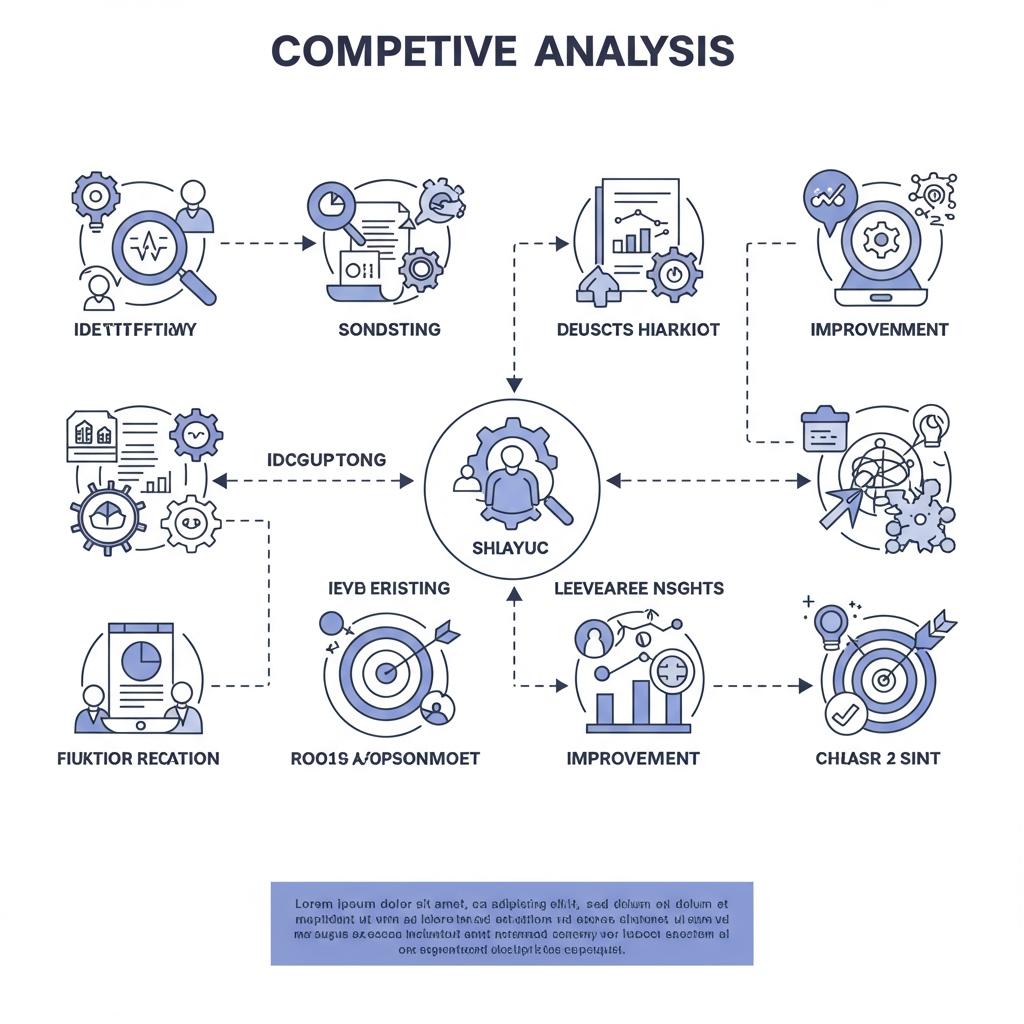
Identifying Your Competitors
The first step is defining your competitive landscape. Who are your direct and indirect competitors? Direct competitors offer similar products or services to the same target audience. Indirect competitors might offer alternative solutions to the same problem. Consider factors like pricing, target audience, marketing strategies, and brand image when identifying your competitors. Thorough research, including online searches, market reports, and industry events, is key. Remember to analyze both local and national competitors, depending on your business scope.
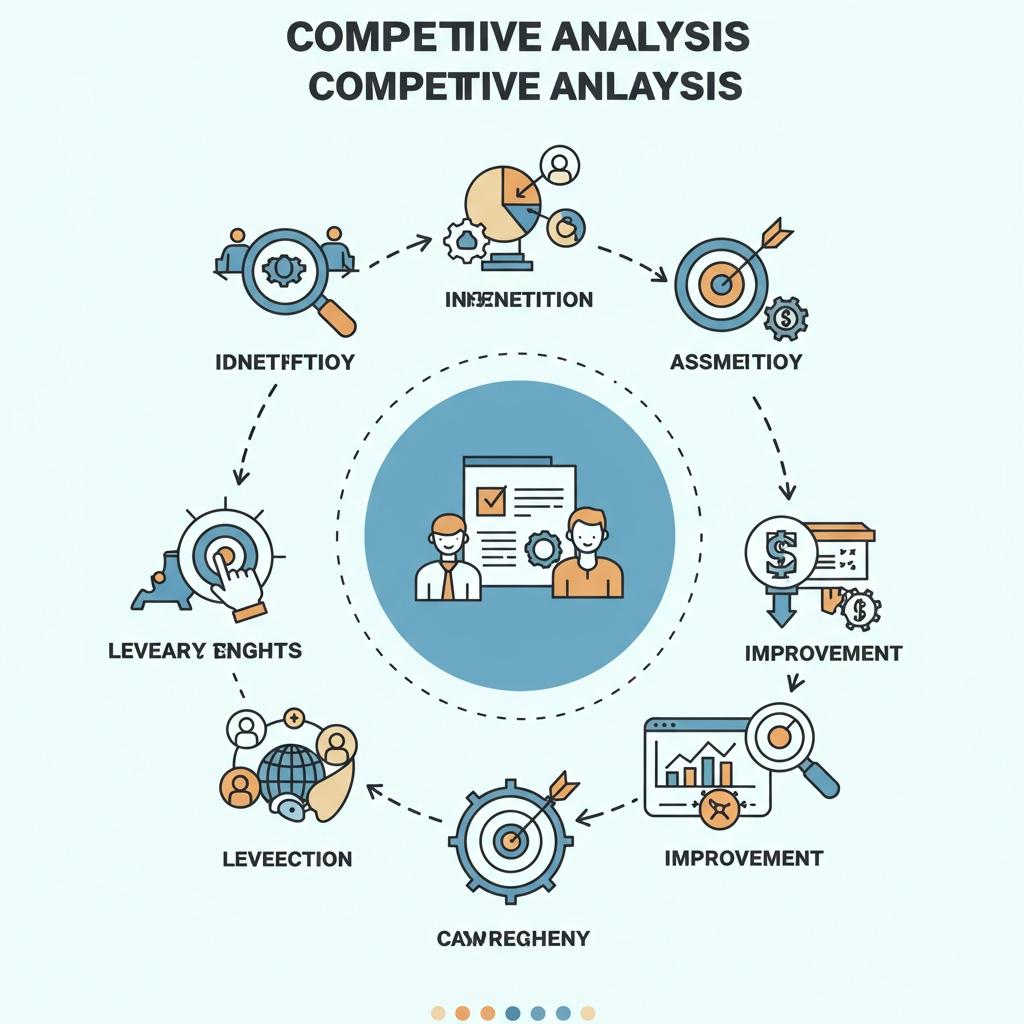
Analyzing Your Competitors' Strengths and Weaknesses
Once you've identified your competitors, it's time for in-depth analysis. What are their strengths and weaknesses? Examine their product features, pricing strategies, marketing efforts, customer service, and online presence. Tools like website analytics, social media monitoring, and review sites can provide valuable insights. Pay attention to areas where they excel and areas where they fall short. This will highlight potential opportunities for you to differentiate and improve.
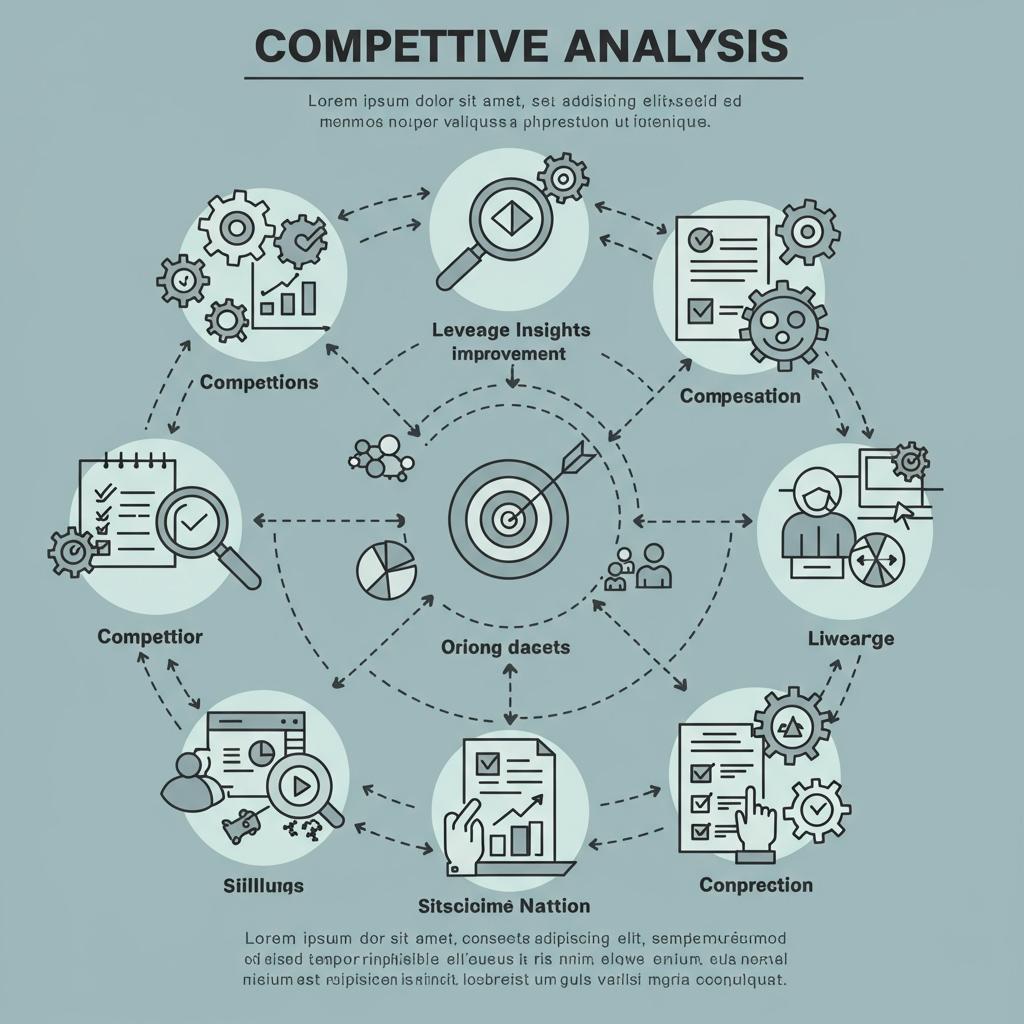
Analyzing Competitors' Marketing Strategies
A significant aspect of competitive analysis involves scrutinizing your competitors' marketing strategies. How do they reach their target audience? What marketing channels do they use (e.g., social media, email marketing, paid advertising)? Analyze their messaging, branding, and overall marketing tone. Identify successful tactics you could adapt or improve upon and learn from their mistakes. This analysis can inform your own marketing strategies and help you allocate resources effectively.
Identifying Opportunities and Threats
Based on your analysis, identify opportunities and threats. What market gaps exist that you could fill? Are there unmet customer needs your competitors are neglecting? What are your competitors' vulnerabilities? This analysis will help you formulate strategic decisions, focusing your efforts on areas where you can gain a competitive edge. Consider how you can differentiate your offerings to stand out in the market.
Leveraging Insights for Improvement
The ultimate goal of competitive analysis is to improve your performance. Use the gathered insights to refine your strategies, improve your products or services, enhance your marketing efforts, and strengthen your overall business operations. Regularly revisit and update your competitive analysis to stay ahead of the curve and adapt to changing market dynamics. Continuous monitoring is essential for sustained success.
Conclusion
Competitive analysis is an ongoing process, not a one-time task. By consistently monitoring your competitors, identifying their strengths and weaknesses, and learning from their strategies, you can significantly improve your own performance and gain a competitive edge in the market. Remember, understanding your competitors is crucial for informed decision-making and long-term success.
Keywords: Competitive Analysis, Market Analysis, Business Strategy


Comments
Post a Comment