Secrets to a Perfect Putting Green: Mastering Modern Golf Course Management
Mastering Golf Course Management Techniques
Golf course management is a multifaceted discipline requiring a blend of science, art, and business acumen. This comprehensive guide explores key techniques for maximizing course efficiency, enhancing player experience, and ensuring long-term sustainability.
Understanding Your Course
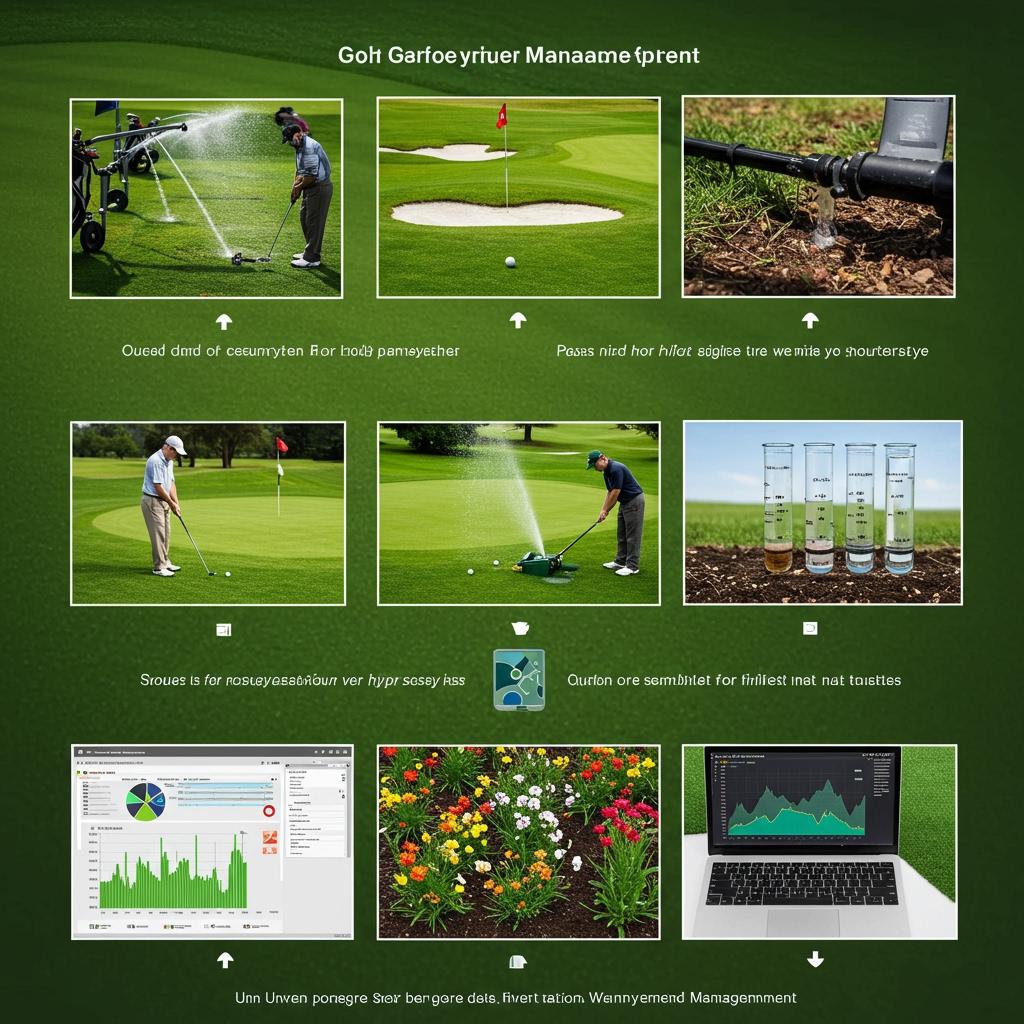
Before implementing any management strategy, a thorough understanding of your course is paramount. This involves analyzing soil composition, drainage patterns, microclimates, and the overall layout. Detailed assessments, including soil tests and water audits, inform decisions on irrigation, fertilization, and pest control. Understanding your course's unique characteristics is the foundation for effective management.
Irrigation Management
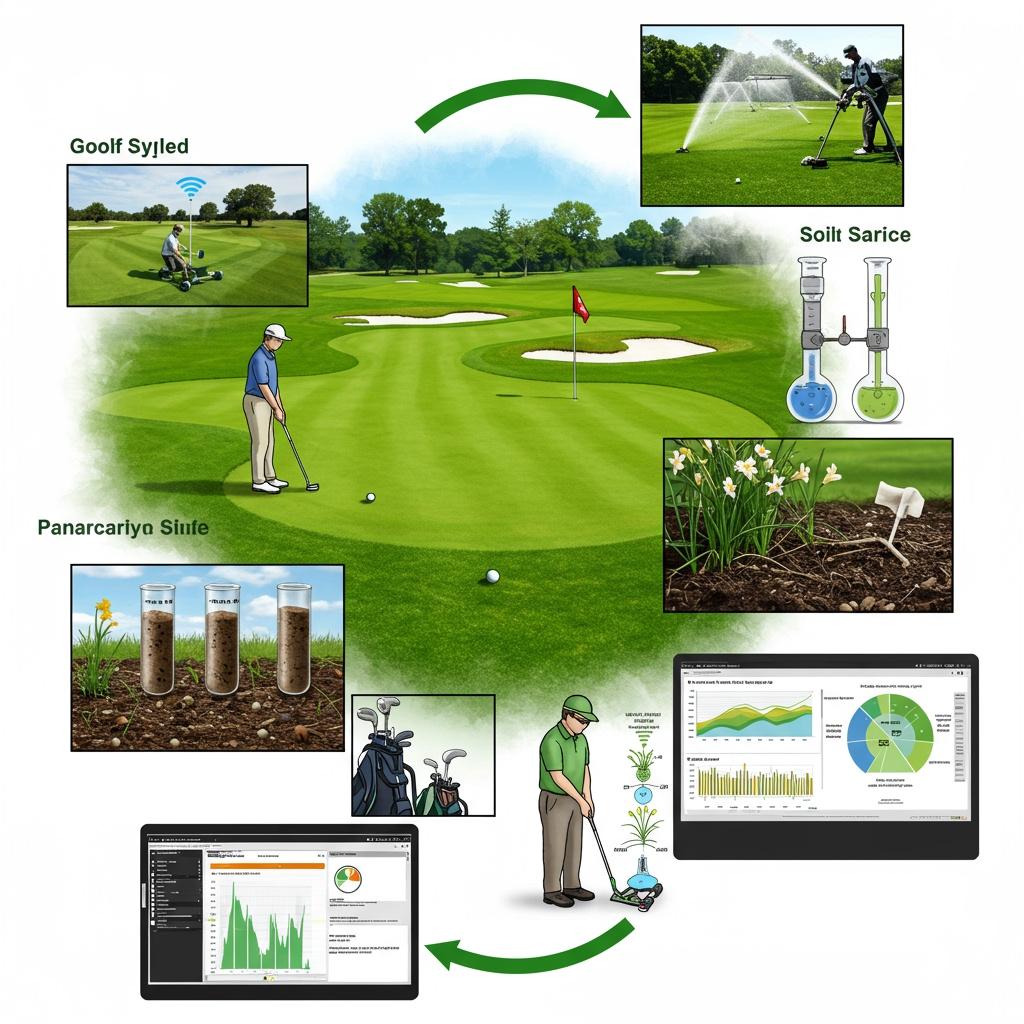
Efficient irrigation is crucial for maintaining turf health and minimizing water waste. Implementing smart irrigation systems with weather sensors and soil moisture monitoring allows for precise water application. Regular maintenance of irrigation equipment, including sprinkler heads and valves, is essential for optimal performance and preventing costly repairs. Explore water-wise turfgrass varieties to further reduce water consumption.
Turfgrass Management
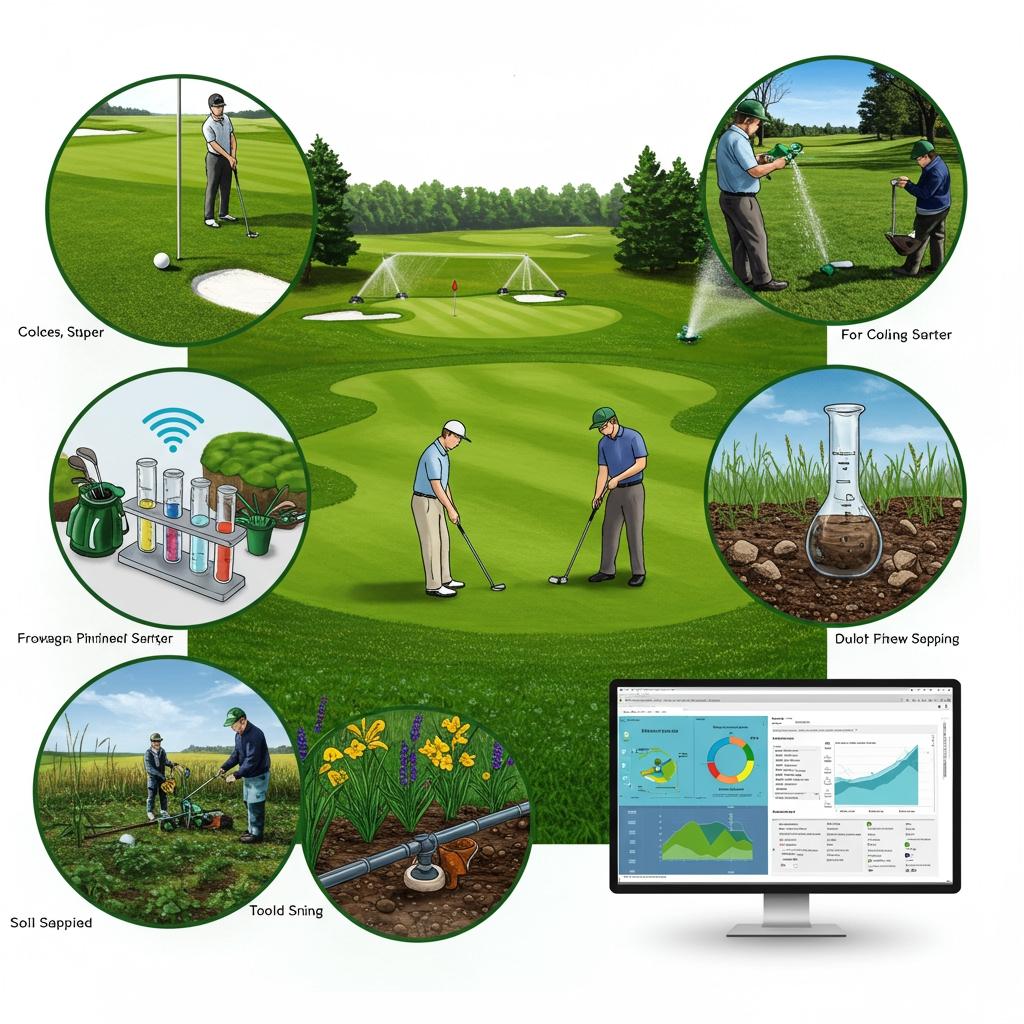
Maintaining healthy turf requires a meticulous approach to fertilization, mowing, and pest control. Regular soil testing informs fertilization strategies, ensuring the right nutrients are applied at the right time. Proper mowing techniques, including appropriate cutting height and frequency, promote a healthy turf. Integrated pest management (IPM) strategies minimize the use of pesticides while effectively controlling weeds and diseases.
Pest and Disease Control
Proactive pest and disease management is critical to preventing significant damage to the course. Regular inspections and early detection are key. Implementing IPM strategies helps minimize environmental impact and reduce reliance on chemical treatments. Understanding the life cycles of common pests and diseases allows for targeted interventions, maximizing effectiveness and minimizing negative consequences.
Environmental Sustainability
Integrating sustainable practices into golf course management is vital for environmental stewardship and long-term viability. This includes minimizing water and pesticide use, employing responsible fertilization techniques, and conserving energy. Implementing native plantings and promoting biodiversity can enhance the ecological value of the course and reduce maintenance requirements.
Budgeting and Financial Planning
Effective financial management is crucial for the long-term health of any golf course. Detailed budgeting, including anticipated revenue and expenses, is essential for making informed decisions about investments and resource allocation. Regular financial reviews help identify areas for improvement and ensure the course remains financially viable.
Staff Training and Development
A well-trained and motivated staff is essential for efficient golf course management. Regular training programs, including workshops and on-the-job instruction, ensure employees possess the necessary skills and knowledge to perform their tasks effectively. Providing opportunities for professional development fosters a sense of pride and commitment among the staff.
Customer Service and Player Experience
Providing exceptional customer service and enhancing the overall player experience are crucial for attracting and retaining customers. This includes maintaining pristine course conditions, ensuring friendly and helpful staff, and offering amenities that enhance the golfing experience. Regular feedback mechanisms, such as customer surveys, can provide valuable insights into areas for improvement.
Technology and Innovation
Embracing technology and innovation can significantly improve efficiency and effectiveness in golf course management. GPS-guided equipment, smart irrigation systems, and data analytics tools can optimize resource allocation and improve decision-making. Staying abreast of the latest advancements in turf science and technology is essential for remaining competitive.
Conclusion
Successful golf course management requires a holistic approach that integrates scientific principles, practical techniques, and sound business practices. By understanding your course, implementing efficient management strategies, and prioritizing sustainability, you can ensure a thriving and profitable operation that delivers an exceptional experience for players and protects the environment. Continuous learning and adaptation are crucial to staying ahead in this dynamic industry.


Comments
Post a Comment