Unlock Your Game: A Beginner's Guide to Choosing the Perfect Golf Clubs
Choosing the Right Golf Clubs: A Beginner's Guide
So, you're ready to hit the greens? Picking the right golf clubs can feel overwhelming for beginners. This guide breaks down the essentials, helping you choose a set that fits your game and budget, setting you up for success on the course.
Understanding Golf Club Types
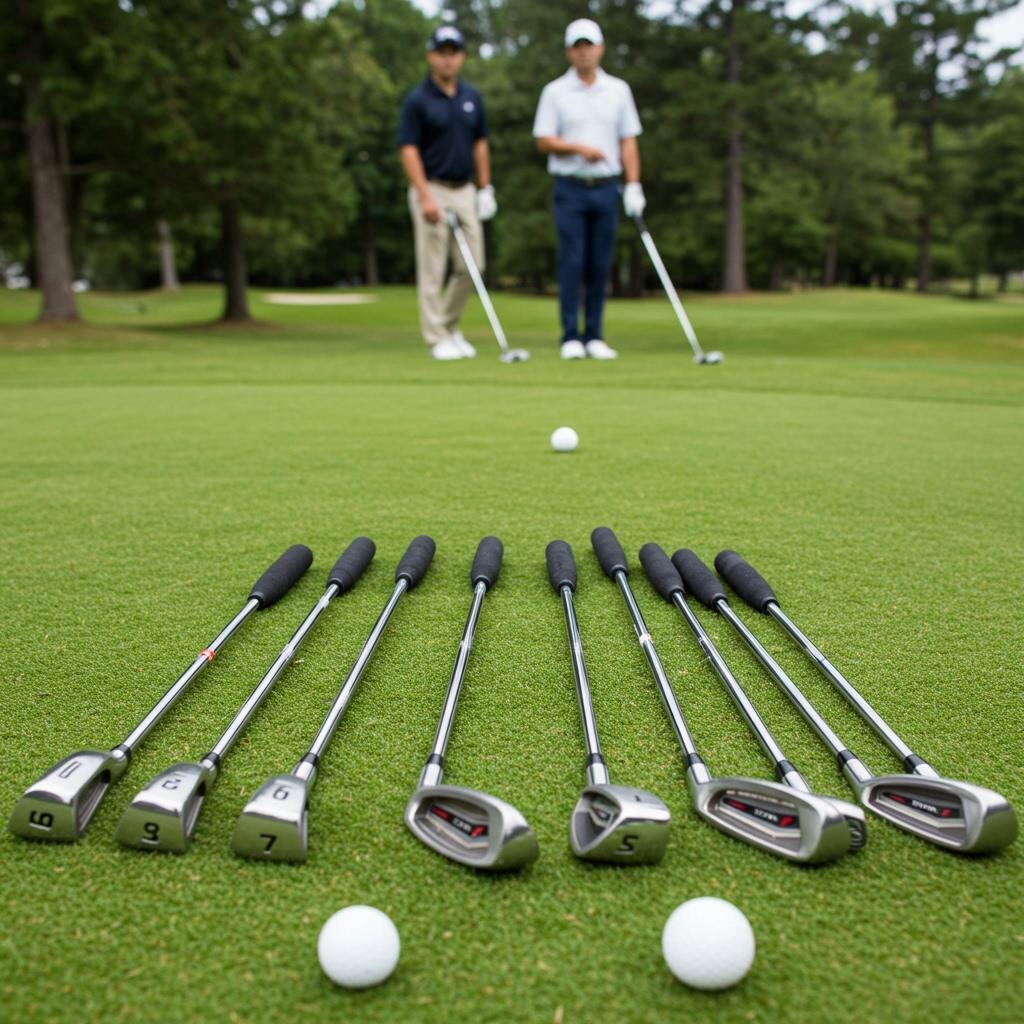
Before diving into specifics, it's crucial to understand the different types of clubs and their purposes. Generally, a full set includes woods (drivers, fairway woods), irons (various numbers representing loft and distance), wedges (for short shots around the green), and a putter (for sinking the ball into the hole). Each club has a specific role; drivers are for long distance off the tee, irons for varied distances and shot shaping, wedges for precise short game shots, and putters for the final stroke on the green. Don't feel pressured to buy a full set initially. Starting with a few essential clubs can be a more budget-friendly and less overwhelming approach.
Choosing the Right Driver
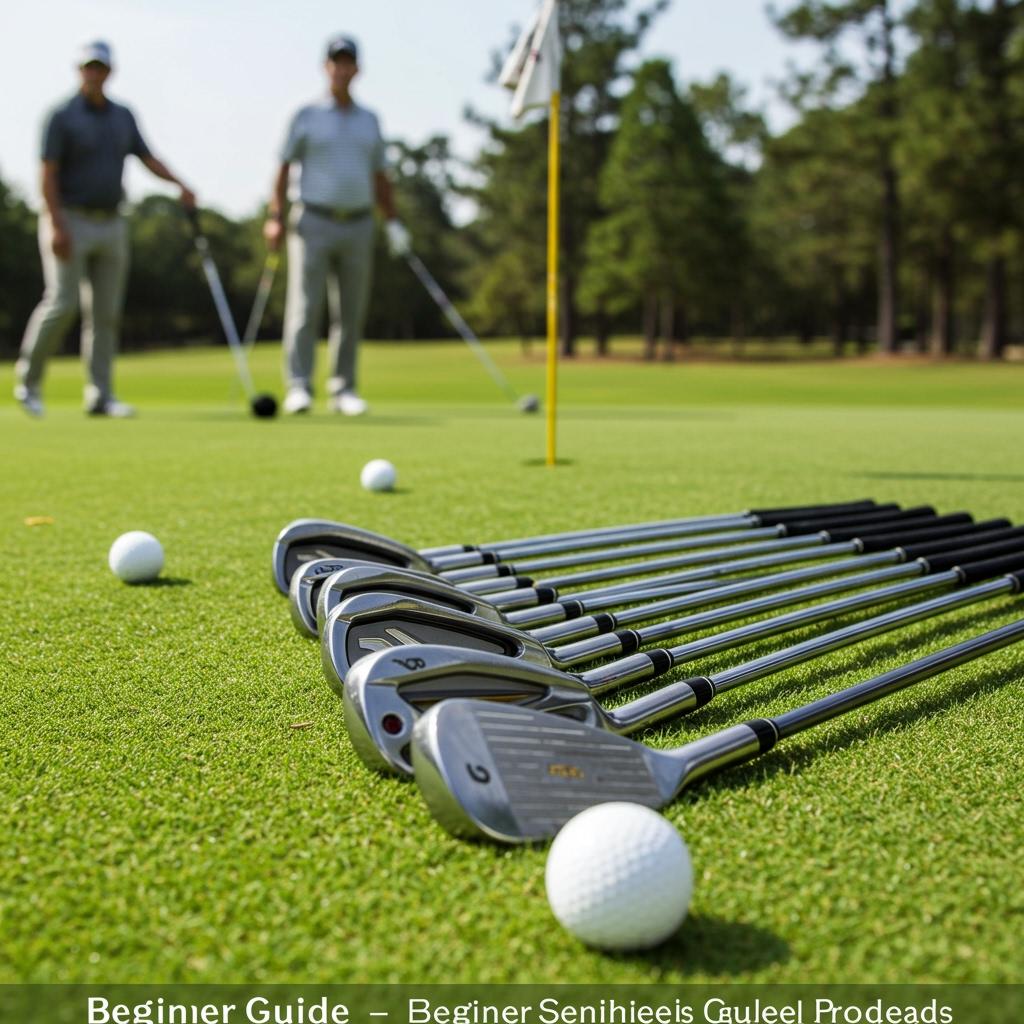
The driver is your go-to club for long-distance shots off the tee. Consider the shaft length and flex. Longer shafts generally produce more distance but require more control. Shaft flex (regular, stiff, extra stiff) depends on your swing speed; a faster swing needs a stiffer shaft, while a slower swing benefits from a more flexible shaft. The club head's size and shape also matter. Larger club heads provide more forgiveness for off-center hits, ideal for beginners. Look for clubs specifically designed for beginners emphasizing forgiveness and ease of use.
Irons: The Workhorses of Your Bag
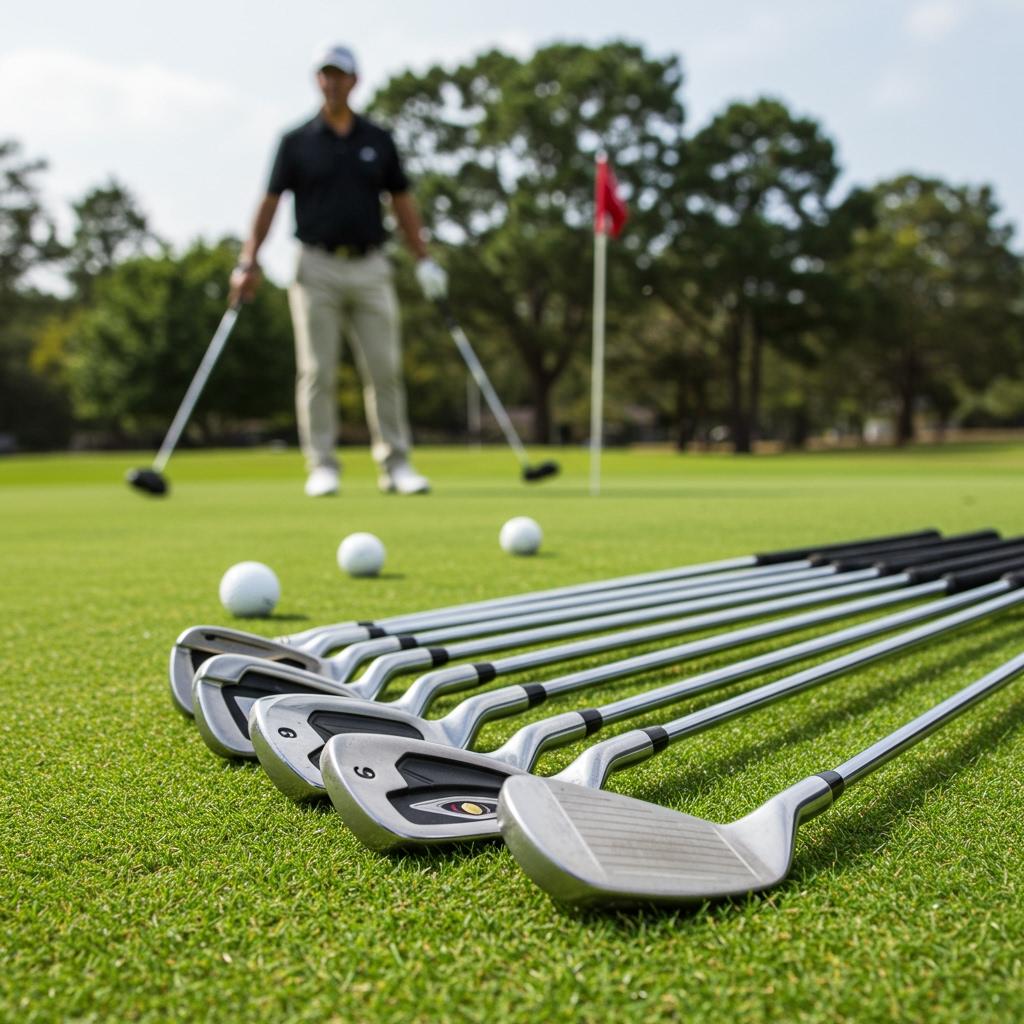
Irons are your versatile clubs, used for a range of shots from mid to short distances. Beginners typically start with a set of 6, 7, 8, 9 irons, and a pitching wedge. These irons cover a sufficient distance range for most situations. Similar to drivers, the shaft flex and club head design affect your shots. Look for cavity-back irons; the cavity behind the clubface helps increase forgiveness and distance for off-center hits, ideal for learning to improve accuracy.
Wedges: Mastering the Short Game
Wedges are essential for short shots around the green. A pitching wedge (PW) is a great place to start. You might also consider a sand wedge (SW) for getting out of bunkers and a gap wedge (GW) for shots in between your irons and your pitching wedge. The loft angle (the angle of the clubface) determines the trajectory of the ball. Higher loft wedges produce higher, softer shots ideal for shorter distances. Start with a pitching wedge and expand your wedge selection as your short game improves.
The Putter: The Final Stroke
The putter is used on the green, and its selection is highly personal. Experiment with different putter types and head weights to find one that feels comfortable in your hands and allows you to control the ball's roll consistently. Beginners should prioritize feel and consistency over radical design elements. Focus on a mallet-style or blade-style putter, both known for their forgiveness and ease of use.
Setting a Budget and Where to Buy
Golf clubs can range from budget-friendly to quite expensive. Set a realistic budget beforehand. Consider used clubs to save money; many quality used clubs are available online or at golf shops. New sets are offered at different price points; entry-level sets are more affordable and perfect for beginners. Reputable golf retailers and online marketplaces offer a range of clubs and sets to suit various budgets and skill levels. Don't hesitate to seek advice from professionals at local golf stores; they can offer guidance based on your skill level and physical attributes.
Conclusion
Choosing your first set of golf clubs can be exciting but also daunting. Focus on selecting clubs that fit your budget and swing speed while prioritizing forgiveness. Start with a basic set, learn the fundamentals, and gradually upgrade as your game improves. Remember, enjoyment is key, so have fun with the process!
Keywords: Golf Clubs, Beginner Golf Clubs, Golf Club Selection


Comments
Post a Comment