Unlock Your Golf Potential: A Guide to Post-Game Analysis
How to Write a Post-Golf Game Analysis Report
This guide provides a comprehensive approach to writing a thorough post-golf game analysis report, helping you improve your game systematically. We'll cover key aspects, from data collection to actionable insights.
Collecting Data: The Foundation of Your Analysis
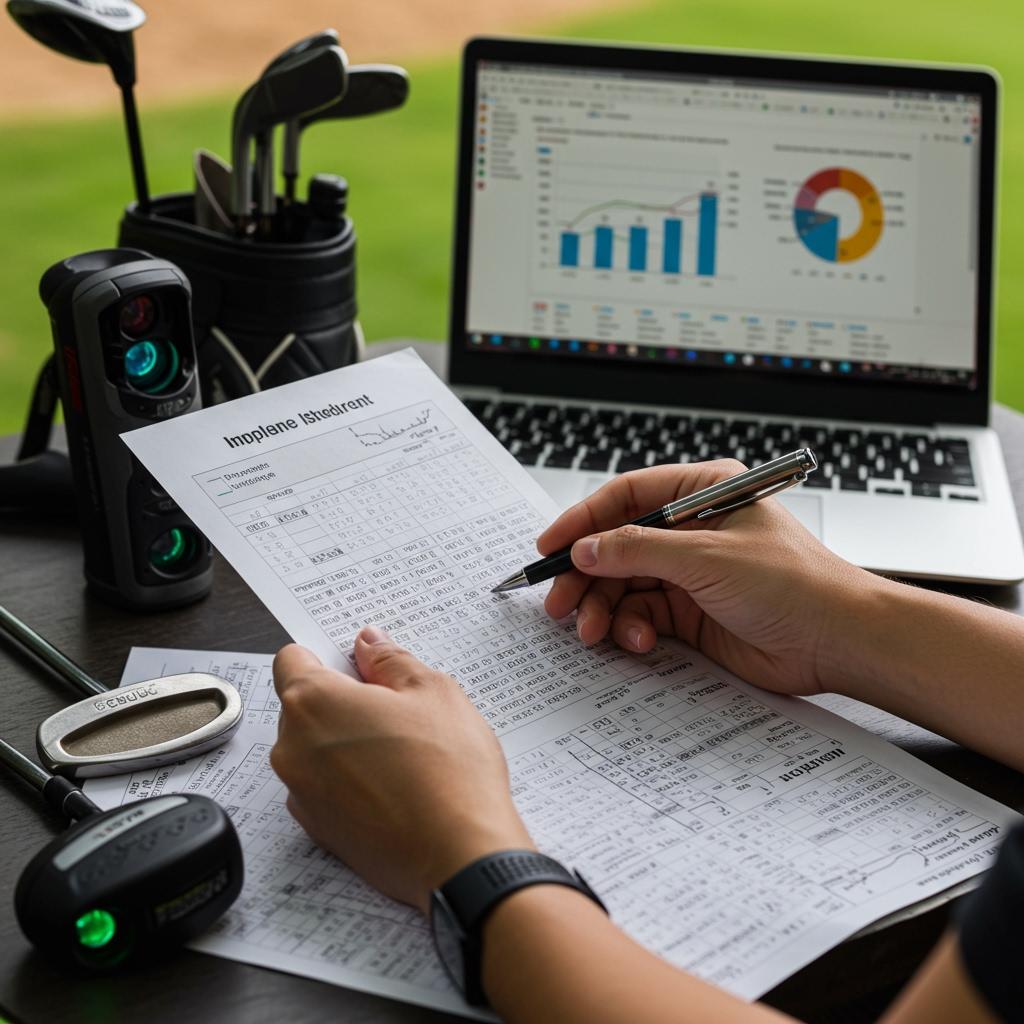
Accurate data is the cornerstone of effective analysis. After each round, meticulously record key statistics. This includes your score on each hole, the number of putts per hole, fairways hit, greens in regulation (GIR), sand saves, and penalty strokes. Consider using a golf app or a scorecard with ample space for notes. Don't forget to note down the conditions of the course – wind speed, temperature, and any significant course characteristics that impacted your game. The more detailed your data, the more precise your analysis will be. This meticulous approach will form the base of your self-improvement journey. Pay attention to areas where you consistently struggle. This will allow you to focus your practice on what matters most.

Analyzing Your Strengths and Weaknesses
Once you've gathered your data, start analyzing your performance. Identify trends and patterns in your scores. For example, did you struggle more on par 3s, par 4s, or par 5s? Were you consistently losing strokes on your approach shots, short game, or putting? Look for correlations between your performance and the course conditions. Did strong winds affect your long game? Did the wet greens negatively impact your putting? A comprehensive understanding of your strengths and weaknesses will point you toward specific areas for improvement. Comparing your game against par on each type of hole can reveal areas needing focus.

Identifying Areas for Improvement: Turning Data into Action
Based on your analysis, pinpoint areas where you need to focus your improvement efforts. If your putting is consistently weak, dedicate more practice time to improving your putting stroke and green reading. If you are struggling with your approach shots, consider working on your accuracy and distance control. Don't try to improve everything at once. Prioritize the areas that will yield the biggest impact on your overall score. Remember, consistent practice and targeted training are crucial for success.
Setting Realistic Goals and Creating a Practice Plan
After identifying your weaknesses, set specific, measurable, achievable, relevant, and time-bound (SMART) goals. Instead of a vague goal like "improve my short game," aim for a more specific goal like "reduce my average number of putts per round by one stroke within the next month." Create a detailed practice plan outlining how you will achieve these goals. Allocate specific practice time for each area you want to improve. Consider consulting a golf professional for personalized guidance and advice. Their expertise can expedite your progress.
Reviewing and Refining Your Analysis: A Continuous Process
Post-game analysis isn't a one-time event; it’s a continuous process. Regularly review your data and adjust your practice plan accordingly. What worked well? What didn't? Be flexible and willing to adapt your approach as you progress. Consistent review and refinement are crucial for maintaining momentum and long-term improvement. Tracking your progress visually, using charts or graphs, can provide a clear and motivating picture of your development.
Conclusion
By systematically collecting data, analyzing your performance, identifying areas for improvement, setting SMART goals, and creating a detailed practice plan, you can significantly enhance your golf game. Remember that consistent effort and a commitment to self-improvement are key to achieving your golfing aspirations. This process should be viewed as an ongoing journey of learning and refinement, not just a post-game activity.
Keywords: Golf Analysis, Post-Game Report, Golf Improvement


Comments
Post a Comment