Unlock Your Golf Potential: Mastering Risk Management for Lower Scores
Mastering Risk Management in Golf: A Strategic Approach
Golf, a game of precision and strategy, demands more than just a powerful swing. It's a mental battle where managing risk is crucial to achieving low scores. This guide provides practical strategies to improve your risk management on the course, ultimately enhancing your overall game.
Understanding Your Game: The Foundation of Risk Management
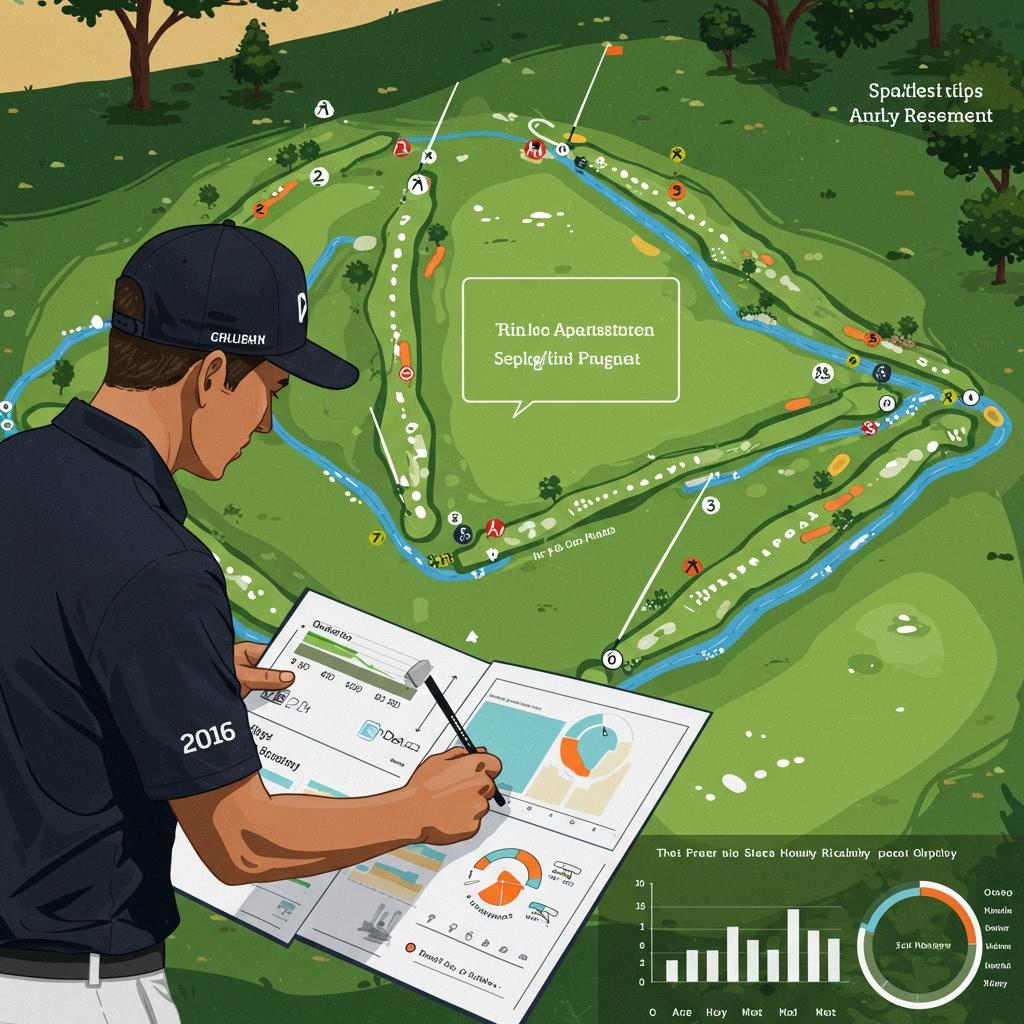
Before tackling risk on the course, you need a clear understanding of your strengths and weaknesses. Honest self-assessment is key. Are you a long hitter who struggles with accuracy? Or a precise player who lacks distance? Knowing your limitations allows you to make informed decisions based on your capabilities. Track your statistics—fairway hit percentage, greens in regulation, and putts per round—to identify areas for improvement and tailor your risk assessment accordingly. This data-driven approach will guide your strategy on the course, allowing you to choose shots that maximize your chances of success within your skillset.

Course Management: Reading the Landscape
Effective risk management starts before you even swing your club. Study the course layout. Identify hazards, such as water, bunkers, and out-of-bounds areas. Consider the wind conditions and how they might affect your shot trajectory. Analyzing these factors allows you to plan your approach to each hole strategically, minimizing potential risks. Don't rush your pre-shot routine; take the time to assess the situation and visualize your shot, considering the best possible outcome and potential pitfalls.
Club Selection: Choosing the Right Weapon
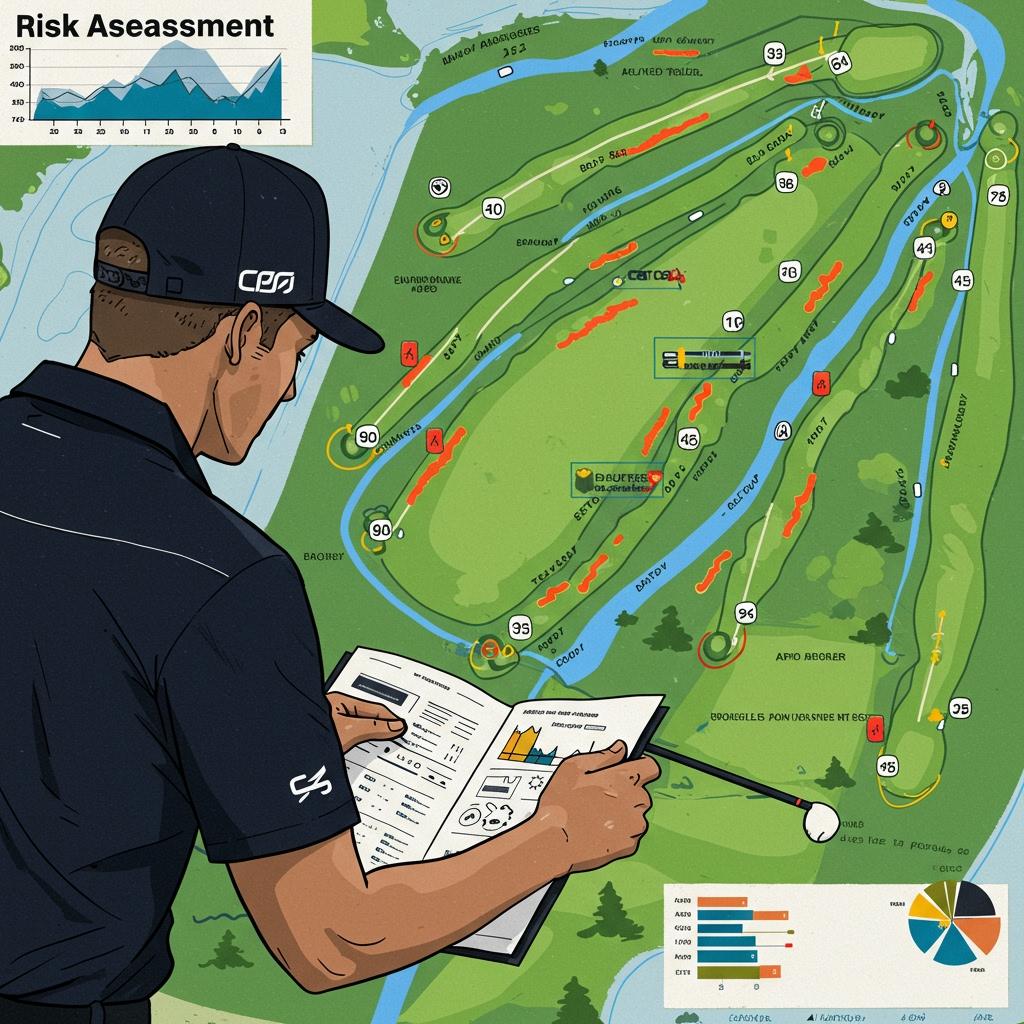
Club selection is a critical aspect of risk management. Choosing the right club is about balancing risk and reward. Laying up with a less aggressive club might seem safer, but it could lead to a longer approach shot. Conversely, opting for a riskier shot with a longer club could pay off with a birdie opportunity. The best choice depends on several factors, including the distance to the green, the obstacles in your path, and the risk tolerance for that particular hole. Practice makes perfect when it comes to accurate club selection; consistent practice allows golfers to improve their judgment.
Shot Selection: The Art of Strategic Play
Once you've considered the course layout and selected your club, it's time to choose the right shot. Sometimes, the safest play is to lay up, leaving yourself a short, manageable approach to the green. Other times, a more aggressive shot, like a high-risk, high-reward approach over a hazard, might be the better option. The decision depends on the specific situation and your overall scoring goal for the round. Remember to weigh the potential consequences of both options before committing to a shot.
Mental Game: Staying Calm Under Pressure
Risk management in golf isn't just about physical skills; it's a mental game too. Pressure can affect decision-making, leading to poor choices. Maintaining a calm and focused mindset is crucial. Practice mindfulness techniques like deep breathing to manage anxiety and stay present in the moment. This allows you to make rational decisions without being clouded by fear or frustration, optimizing your ability to assess risk effectively.
Learning from Mistakes: Continuous Improvement
Every round of golf presents learning opportunities. After each round, review your performance, focusing on the decisions you made, both good and bad. Analyze where you took unnecessary risks and where a more conservative approach might have been beneficial. Identify patterns in your decision-making process. Learning from mistakes helps refine your risk management strategies over time, constantly improving your game.
Conclusion
Effective risk management is the cornerstone of consistent success in golf. By understanding your game, analyzing the course, making smart club and shot selections, and maintaining a calm mindset, you can significantly improve your scores and enjoyment of the game. Remember that risk management is a continuous learning process; the more you play, the better you will become at making informed decisions on the course.


Comments
Post a Comment