Unlock Your Golf Potential: Strategic Adjustments Based on Your Handicap
Strategic Adjustments for Golfers with Handicaps
Golf, a game of precision and skill, presents unique challenges for players of all abilities. A golfer's handicap provides a numerical representation of their skill level, impacting scoring and strategic decision-making on the course. This article delves into the strategic adjustments golfers should make based on their handicap, ensuring a more enjoyable and successful game.
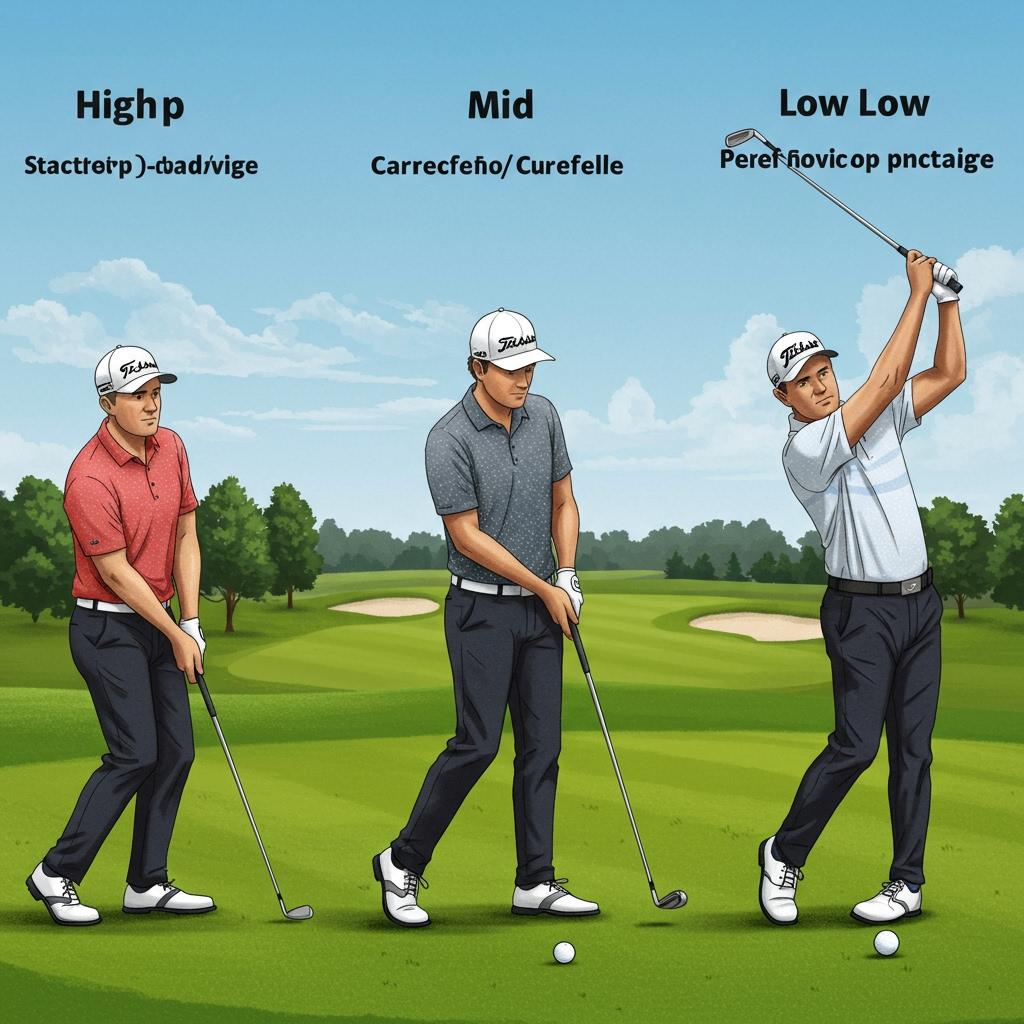
Understanding Your Handicap
Your handicap is not merely a number; it's a vital piece of information that dictates your game plan. A higher handicap indicates a higher scoring average, reflecting areas requiring improvement. Understanding your handicap helps you set realistic expectations and focus on strategies tailored to your skill level. It allows you to choose appropriate courses and manage expectations for each round. Honest self-assessment is crucial; don't overestimate your abilities.
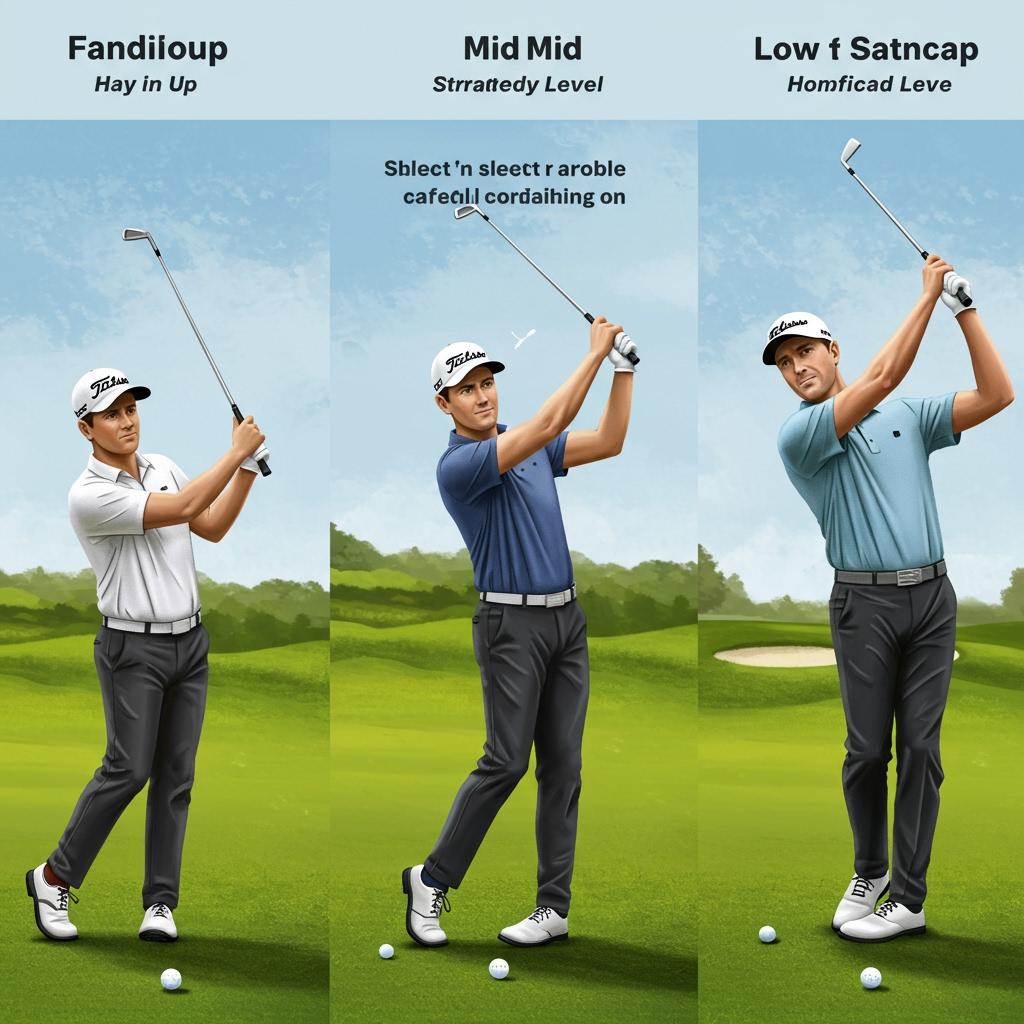
Strategic Play for High-Handicap Golfers
For high-handicap golfers, the focus should be on consistency and risk management. Prioritize fairway hits over ambitious drives, even if it means sacrificing distance. Laying up strategically to avoid hazards and choosing shorter, safer shots will significantly reduce the score. Practice short game skills diligently; chipping and putting account for a large portion of high-handicap scores. Focus on improving these skills will yield the quickest improvements. Remember, every stroke counts, even if it's not a long, impressive drive.
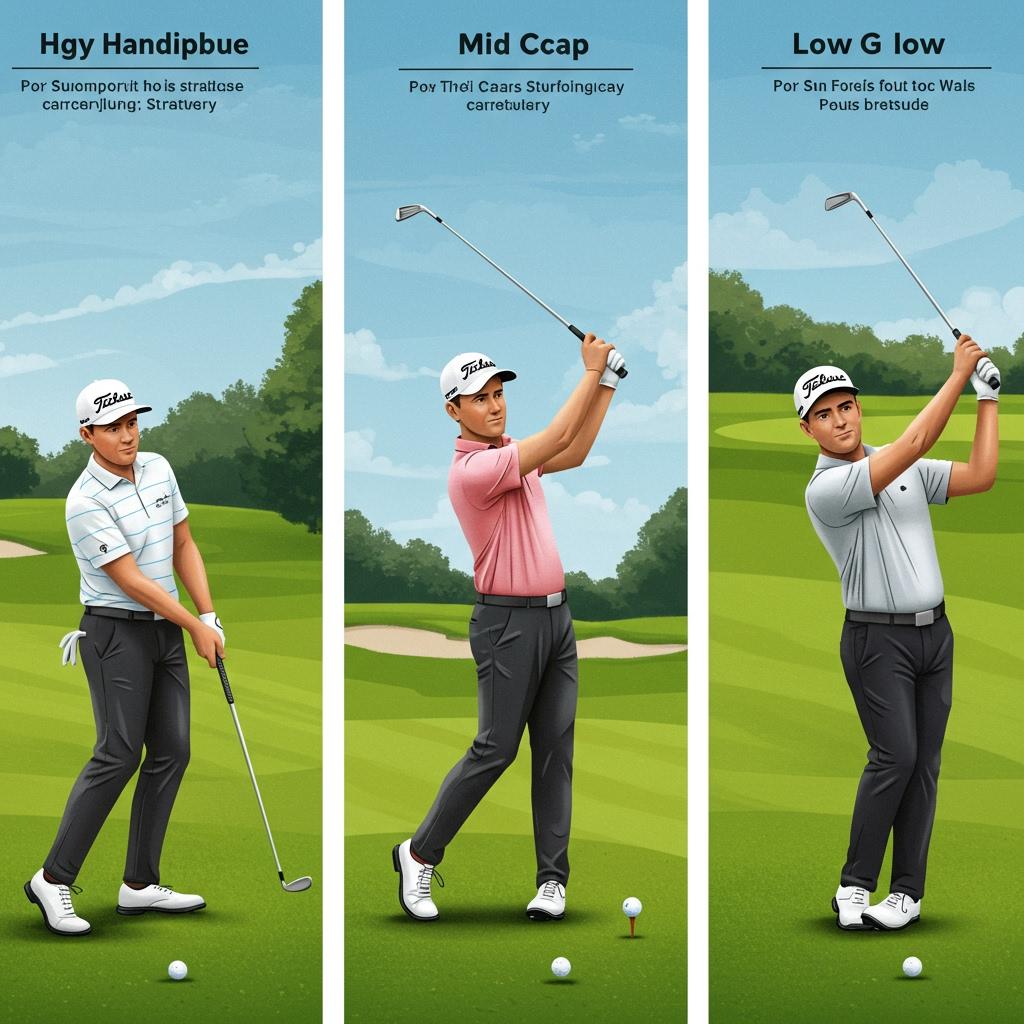
Mid-Handicap Golfers: Refining Your Game
Mid-handicap golfers possess a good foundation but can refine their game significantly through targeted practice. While maintaining a focus on course management, they can incorporate more aggressive approaches to specific holes. Strategic shot selection becomes crucial; learning to choose the best club for each situation, considering factors like wind and lie, will enhance your scores. Work on improving your iron play and developing a consistent approach to the green. This will lead to more birdies and fewer bogeys.
Low-Handicap Golfers: Precision and Course Management
Low-handicap golfers should prioritize precision and advanced course management. While possessing strong overall skills, focusing on optimizing every shot to minimize strokes is key. Analyzing the course beforehand, considering wind conditions, and planning the optimal route are crucial. Fine-tuning your short game, even if already proficient, will yield further improvements. Practice different shot types, such as fades and draws, to add versatility to your game and overcome difficult situations.
Technology and Handicap
Modern technology offers valuable tools for golfers of all handicaps. GPS devices, shot trackers, and even swing analyzers provide data-driven insights that can significantly improve your game. Use these technologies to identify weaknesses, track progress, and make informed decisions on the course. Understand your strengths and weaknesses through data analysis and refine your game accordingly. Technology should complement, not replace, fundamental golfing skills.
Conclusion
Regardless of your handicap, strategic adjustments are crucial for improving your golf game. By understanding your skill level, practicing consistently, and utilizing available technologies, you can significantly lower your score and enhance your enjoyment of the game. Remember that consistent effort and a focus on improving specific areas are key to reaching your full potential. Golf is a journey of constant learning and improvement, so embrace the challenge and enjoy the process.
Keywords: Golf Handicap, Golf Strategy, Golf Tips


Comments
Post a Comment