**Building an Unshakeable Mind: Golf Mental Fortitude Training**
Mastering the Mental Game: Golf Psychology for Unwavering Focus
Golf is as much a mental game as it is a physical one. This article explores strategies to strengthen your mental fortitude on the course, helping you maintain composure and perform at your best under pressure. Learn how to cultivate resilience, manage your emotions, and develop a winning mindset. Golf is about 10 percent mechanics, 40 percent course management, and 50 percent mental approach.
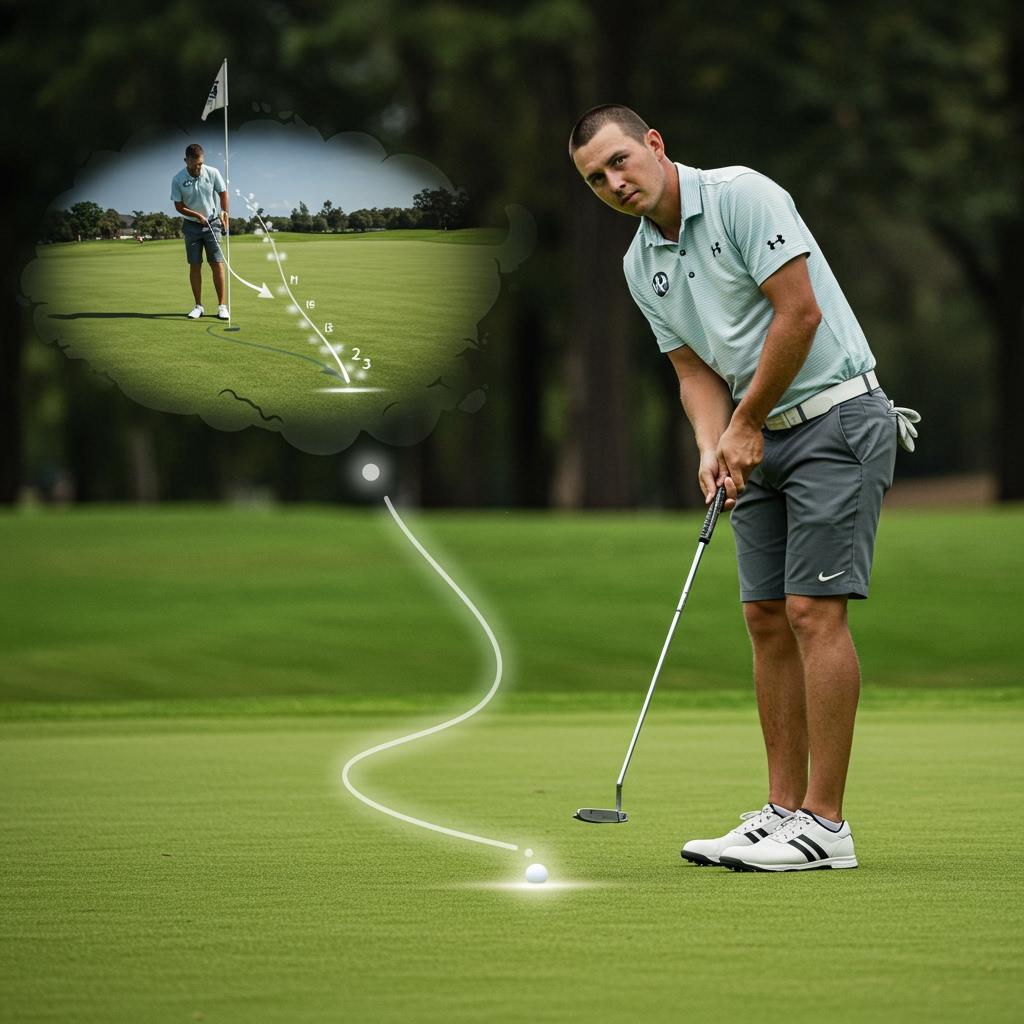
Understanding the Psychology of Golf
The mental aspect of golf often separates good players from great ones. It's not just about having a perfect swing; it's about managing your thoughts, emotions, and reactions when faced with challenges. Factors like pressure, self-doubt, and distractions can significantly impact your performance. Recognizing these psychological influences is the first step towards improving your mental game. Understanding your strengths and weaknesses, both physical and mental, is paramount.

Visualization Techniques for Success
Visualization is a powerful tool for golfers. By mentally rehearsing successful shots and rounds, you can build confidence and reduce anxiety. Create vivid mental images of yourself executing perfect swings, navigating challenging holes, and sinking crucial putts. Practice this regularly, focusing on the positive aspects of your game. Use all your senses in your visualizations, including the sight, sound, and feel of the golf ball.

Developing a Pre-Shot Routine
A consistent pre-shot routine is crucial for maintaining focus and composure. It helps you prepare both mentally and physically for each shot. Your routine should include elements such as assessing the lie, visualizing the shot, and taking practice swings. By sticking to your routine, you can minimize distractions and execute your swing with confidence. A good pre-shot routine also promotes consistency under pressure.
Managing Negative Thoughts and Emotions
Negative thoughts and emotions are inevitable in golf, but it's how you manage them that matters. Learn to recognize and challenge negative self-talk, replacing it with positive affirmations. Practice deep breathing techniques to calm your nerves and regain focus. Remember that every golfer makes mistakes; the key is to learn from them and move on. Don't dwell on bad shots; focus on the next one.
Building Confidence on the Course
Confidence is a crucial component of a strong mental game. Believe in your abilities and focus on your strengths. Set realistic goals and celebrate your accomplishments, no matter how small. Surround yourself with positive influences and avoid comparing yourself to others. Remember that every golfer has their own unique journey. Confidence is earned through practice, preparation, and a positive attitude.
The Power of Positive Self-Talk
What you say to yourself on the golf course matters. Replace negative self-talk with positive affirmations. Instead of saying "I can't do this," try "I can handle this." Focus on your strengths and past successes. Remind yourself of your goals and what you're capable of achieving. Positive self-talk can boost your confidence and improve your performance.
Staying Present and Focused
Golf requires a high level of concentration. Learn to stay present in the moment and avoid getting caught up in past mistakes or future worries. Practice mindfulness techniques to improve your focus and awareness. Pay attention to your breath, your body, and the environment around you. Staying present will help you make better decisions and execute your shots with precision.
Dealing with Pressure Situations
Pressure is a part of golf, especially in competitive situations. Develop strategies for managing pressure, such as deep breathing, visualization, and positive self-talk. Remember that pressure is a privilege; it means you're in a position to succeed. Embrace the challenge and focus on executing your game plan. Stay calm and trust your abilities under pressure.
Setting Realistic Goals and Expectations
Setting realistic goals is essential for maintaining motivation and avoiding frustration. Don't expect to become a scratch golfer overnight. Break down your goals into smaller, achievable steps. Celebrate your progress along the way and adjust your goals as needed. Remember that golf is a journey, not a destination. Enjoy the process and focus on continuous improvement.
Learning from Your Mistakes
Everyone makes mistakes in golf. The key is to learn from them and not repeat them. Analyze your mistakes and identify areas for improvement. Seek feedback from a qualified instructor. Keep a journal to track your progress and identify patterns. Don't be afraid to experiment and try new things. Learning from your mistakes will help you become a better golfer.
The Importance of Physical Conditioning
While this article focuses on the mental aspect of golf, physical conditioning is also important. A strong and flexible body can help you execute your swing with greater power and consistency. Engage in regular exercise, including strength training, stretching, and cardiovascular activities. A healthy body will support a healthy mind. Physical fitness also improves stamina and reduces the risk of injury.
Seeking Professional Guidance
If you're struggling with the mental game of golf, consider seeking guidance from a qualified sports psychologist or mental performance coach. These professionals can provide you with personalized strategies and techniques to improve your mental toughness and performance. They can also help you identify and address any underlying psychological issues that may be affecting your game.
By implementing these strategies, you can cultivate a stronger mental game and unlock your full potential on the golf course. Remember that mental training is an ongoing process. Be patient, persistent, and committed to improving your mental toughness. With dedication and practice, you can develop an unwavering focus and achieve your golfing goals.
Keywords: Golf Psychology, Mental Game, Golf Training


Comments
Post a Comment