Golf Course Environmental Protection: Golfers Protecting Beautiful Nature
Golf Course Environmental Protection: How Golfers Can Protect Natural Beauty
Golf courses, often perceived as pristine landscapes, can significantly impact the environment. This blog post explores how golfers can play a crucial role in preserving the natural beauty surrounding these courses through sustainable practices and responsible behavior.

The Environmental Impact of Golf Courses
Golf courses require extensive land, water, and chemical inputs, which can lead to habitat loss, water pollution, and pesticide runoff. Traditional course management practices often involve heavy use of fertilizers, herbicides, and pesticides to maintain immaculate playing surfaces. These chemicals can contaminate soil and water sources, harming wildlife and potentially affecting human health. Furthermore, the clearing of natural vegetation to create fairways and greens can disrupt ecosystems and reduce biodiversity.
Water Conservation on the Green
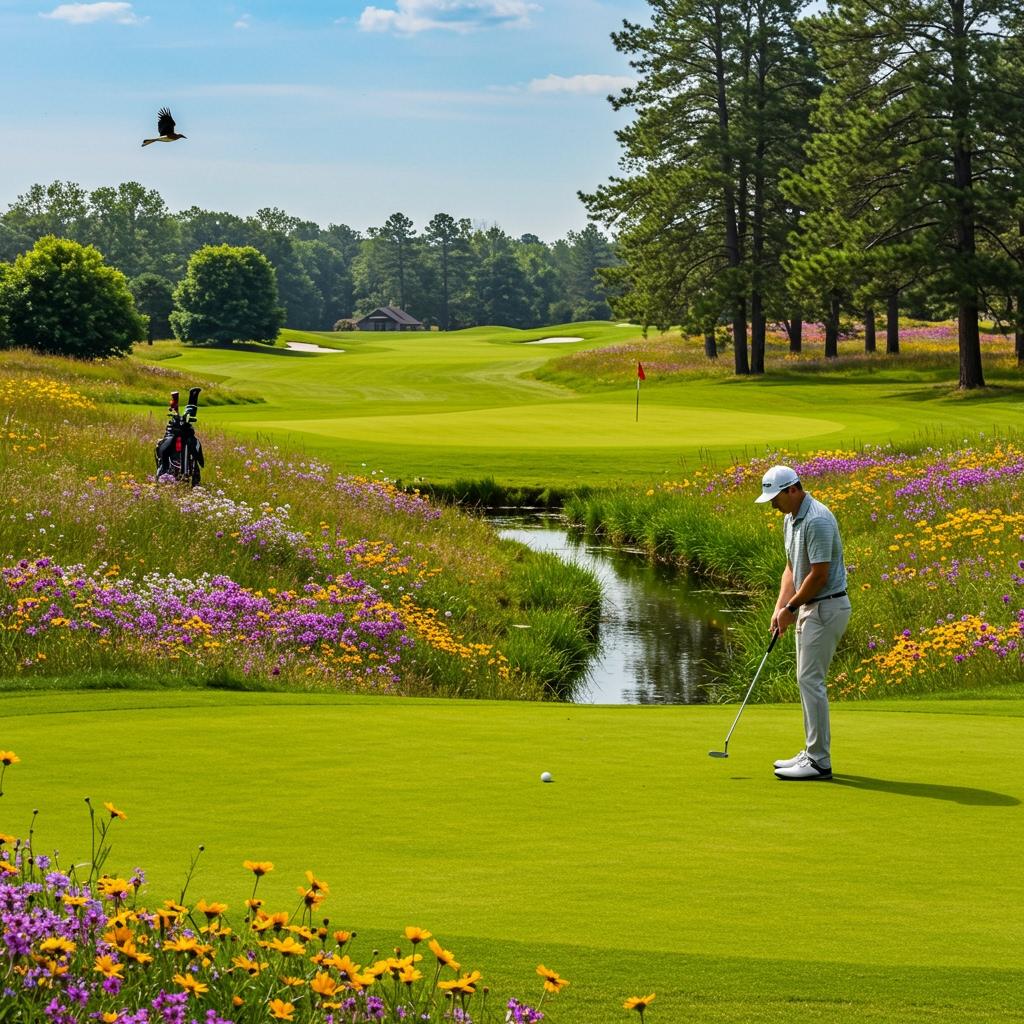
Water conservation is paramount for sustainable golf course management. Golfers can contribute by supporting courses that employ water-efficient irrigation systems, such as drip irrigation and smart controllers that adjust watering schedules based on weather conditions. Opting to play on courses that use drought-tolerant grasses and implement water harvesting techniques further reduces water consumption. Golfers can also report any leaks or inefficient watering practices they observe on the course to help conserve this precious resource.
Responsible Chemical Use
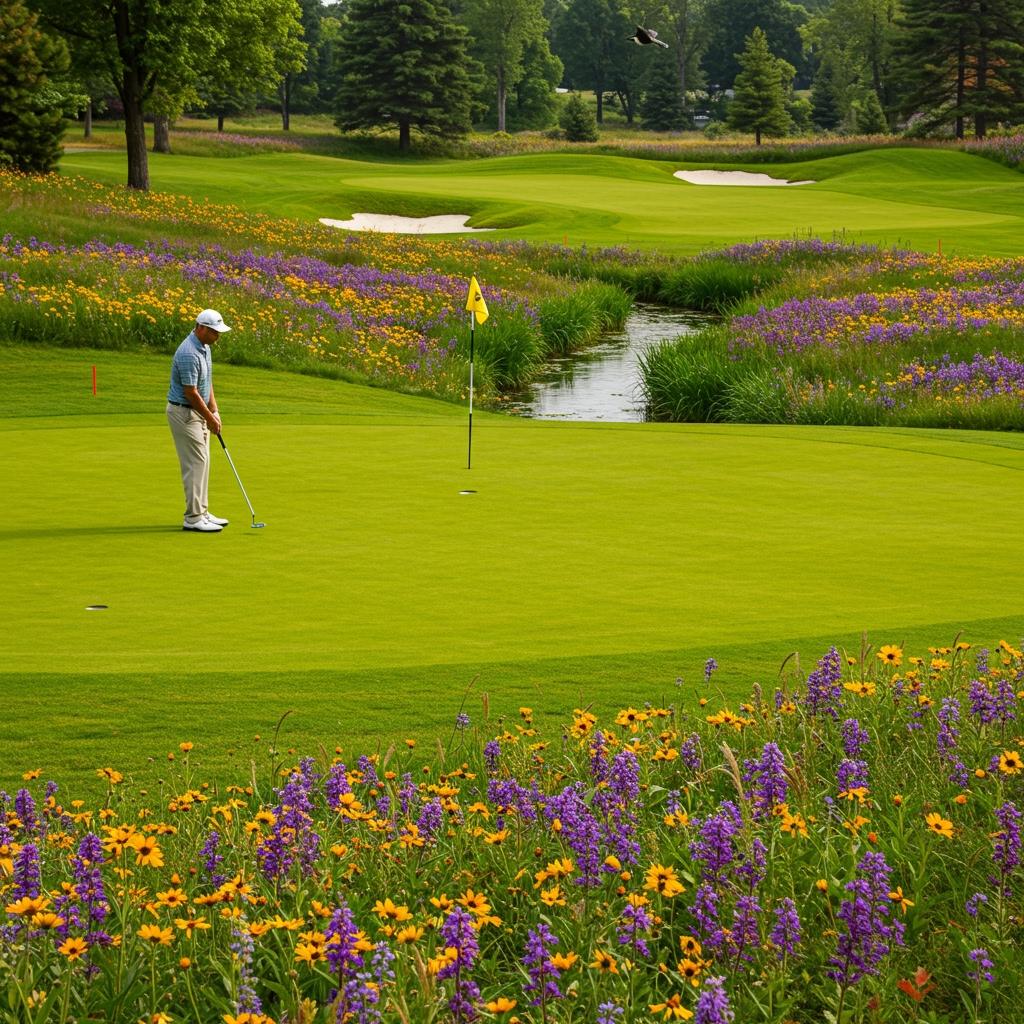
The use of chemical fertilizers and pesticides poses a significant threat to the environment. Golfers can encourage courses to adopt integrated pest management (IPM) strategies, which prioritize natural pest control methods over synthetic chemicals. IPM involves monitoring pest populations, using beneficial insects to control pests, and applying targeted treatments only when necessary. Supporting courses that are transitioning to organic or low-input management practices can minimize the environmental impact of chemical use.
Protecting Wildlife Habitats
Golf courses can provide valuable habitats for wildlife, but it's essential to protect these areas. Golfers should respect designated wildlife zones and avoid disturbing nesting sites or other sensitive areas. Encouraging courses to create and maintain natural buffer zones around water bodies and other habitats can provide refuge for wildlife and prevent runoff. Avoiding littering and properly disposing of waste can also help protect animals from harm.
Reducing Waste and Promoting Recycling
Golf courses generate a significant amount of waste, including grass clippings, leaves, and packaging materials. Golfers can reduce waste by bringing their own reusable water bottles and coffee cups. Supporting courses that implement comprehensive recycling programs for plastics, paper, and aluminum is also crucial. Composting organic waste, such as grass clippings and leaves, can create valuable soil amendments and reduce the need for synthetic fertilizers.
Playing Responsibly
Golfers can minimize their impact on the environment by following a few simple guidelines while on the course. Repairing divots, raking bunkers, and avoiding walking on sensitive areas can help maintain the course's health. Properly disposing of trash and cigarette butts prevents pollution and protects wildlife. Being mindful of noise levels can minimize disturbance to surrounding ecosystems. Respecting course rules and regulations ensures that the course is managed sustainably for future generations.
Supporting Sustainable Golf Courses
Choosing to play at golf courses committed to environmental sustainability is a powerful way to make a difference. Look for courses that have been certified by organizations like Audubon International or GEO Foundation, which recognize and promote environmentally responsible practices. Supporting these courses with your patronage encourages others to adopt sustainable practices. By actively seeking out and supporting eco-friendly golf courses, golfers can drive positive change in the industry.
Education and Awareness
Raising awareness about the environmental impact of golf courses is essential for promoting sustainable practices. Golfers can educate themselves and others about the importance of water conservation, responsible chemical use, and habitat protection. Sharing information with friends, family, and fellow golfers can help create a culture of environmental stewardship within the golfing community. By becoming informed and engaged advocates for sustainable golf, golfers can play a vital role in protecting the environment.
Conclusion: A Shared Responsibility
Protecting the environment surrounding golf courses is a shared responsibility between course management and golfers. By adopting sustainable practices, golfers can minimize their environmental impact and contribute to the preservation of natural beauty. Choosing to play responsibly, supporting eco-friendly courses, and raising awareness about environmental issues can make a significant difference. Let's work together to ensure that golf courses remain beautiful and sustainable landscapes for generations to come.
Key Words: Sustainable Golf, Environmental Protection, Golf Course Ecology


Comments
Post a Comment