Golf Recovery: Quick Tips for Faster Recuperation
Golf Recovery: Top Tips to Soothe Sore Muscles After a Round
Golf is a fantastic sport, but it can take a toll on your body. This guide offers practical tips and tricks to help you recover quickly and effectively after a round of golf, minimizing soreness and maximizing your performance for the next game.
Why Golf Takes a Toll on Your Body
Many people underestimate the physical demands of golf. The repetitive swinging motion, combined with walking the course, can strain muscles and joints. Common areas affected include the back, shoulders, hips, and knees. Understanding these demands is the first step to effective recovery.

Immediate Post-Round Cool Down
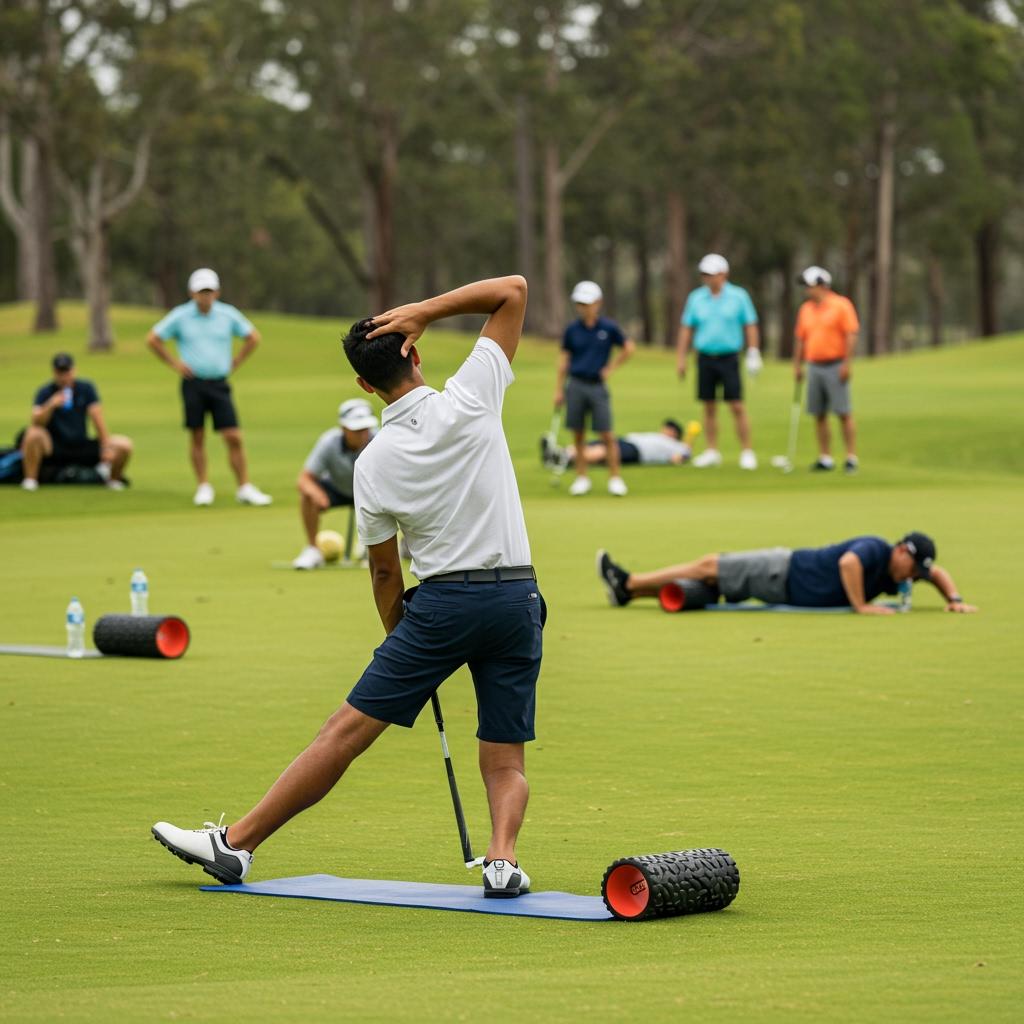
Don't head straight to the clubhouse! A short cool-down routine is crucial. Gentle stretching, focusing on the muscles used during your swing (back, shoulders, core), can help prevent stiffness. A brisk walk for 5-10 minutes can also aid in flushing out lactic acid.

Rehydration is Key
Golfing, especially in warm weather, can lead to dehydration. Replenishing fluids is vital for muscle recovery. Water is always a good choice, but electrolyte-rich sports drinks can help replace lost minerals and speed up the recovery process. Avoid sugary drinks, as they can hinder recovery.
Nutrition for Recovery
What you eat after a round of golf matters. Focus on consuming protein to repair muscle tissue and carbohydrates to replenish energy stores. A balanced meal or snack within an hour of finishing your round can make a significant difference. Consider options like a protein shake with fruit or a turkey sandwich on whole wheat bread.
The Power of Stretching
A comprehensive stretching routine is essential. Hold each stretch for 20-30 seconds, focusing on major muscle groups like your back, shoulders, hamstrings, and hip flexors. Dynamic stretching before your next round can also improve flexibility and prevent injuries.
Foam Rolling for Muscle Relief
Foam rolling is a fantastic way to release muscle tension and improve blood flow. Focus on areas that tend to get tight after golfing, such as your back, legs, and shoulders. Spend a few minutes on each area, applying gentle pressure and rolling slowly. This helps break up knots and reduces soreness.
Ice or Heat Therapy
Deciding between ice and heat can be tricky. Ice is generally recommended for acute injuries or inflammation, while heat is better for chronic muscle soreness. If you're experiencing pain or swelling, ice the affected area for 15-20 minutes. For general muscle stiffness, a warm bath or shower can provide relief.
Rest and Sleep
Adequate rest is crucial for muscle recovery. Aim for 7-9 hours of quality sleep each night. Sleep allows your body to repair and rebuild muscle tissue. Avoid screen time before bed, and create a relaxing sleep environment to maximize your rest.
Consider a Massage
A massage can be incredibly beneficial for post-golf recovery. It helps to release muscle tension, improve blood flow, and reduce inflammation. A professional massage therapist can target specific areas of concern and tailor the treatment to your needs. Even a self-massage can provide some relief.
Listen to Your Body
Ultimately, the most important thing is to listen to your body. Don't push yourself too hard, and take breaks when needed. If you experience persistent pain or discomfort, consult a doctor or physical therapist. Paying attention to your body's signals can help you prevent injuries and enjoy golf for years to come.
Conclusion
Recovering effectively after a round of golf is crucial for preventing injuries, reducing soreness, and maximizing your performance on the course. By incorporating these tips into your routine, you can ensure that you're ready to play your best game every time. Remember to stay hydrated, eat well, stretch, and prioritize rest.
Keywords: Golf Recovery, Muscle Soreness, Post-Round Tips


Comments
Post a Comment